
Big Sur Marathon 2026: Running Along the Edge of the World
There are marathons you run for time. There are marathons you run for competition. And then there’s the Big Sur International Marathon, a race that feels less like a competition and more like a journey.
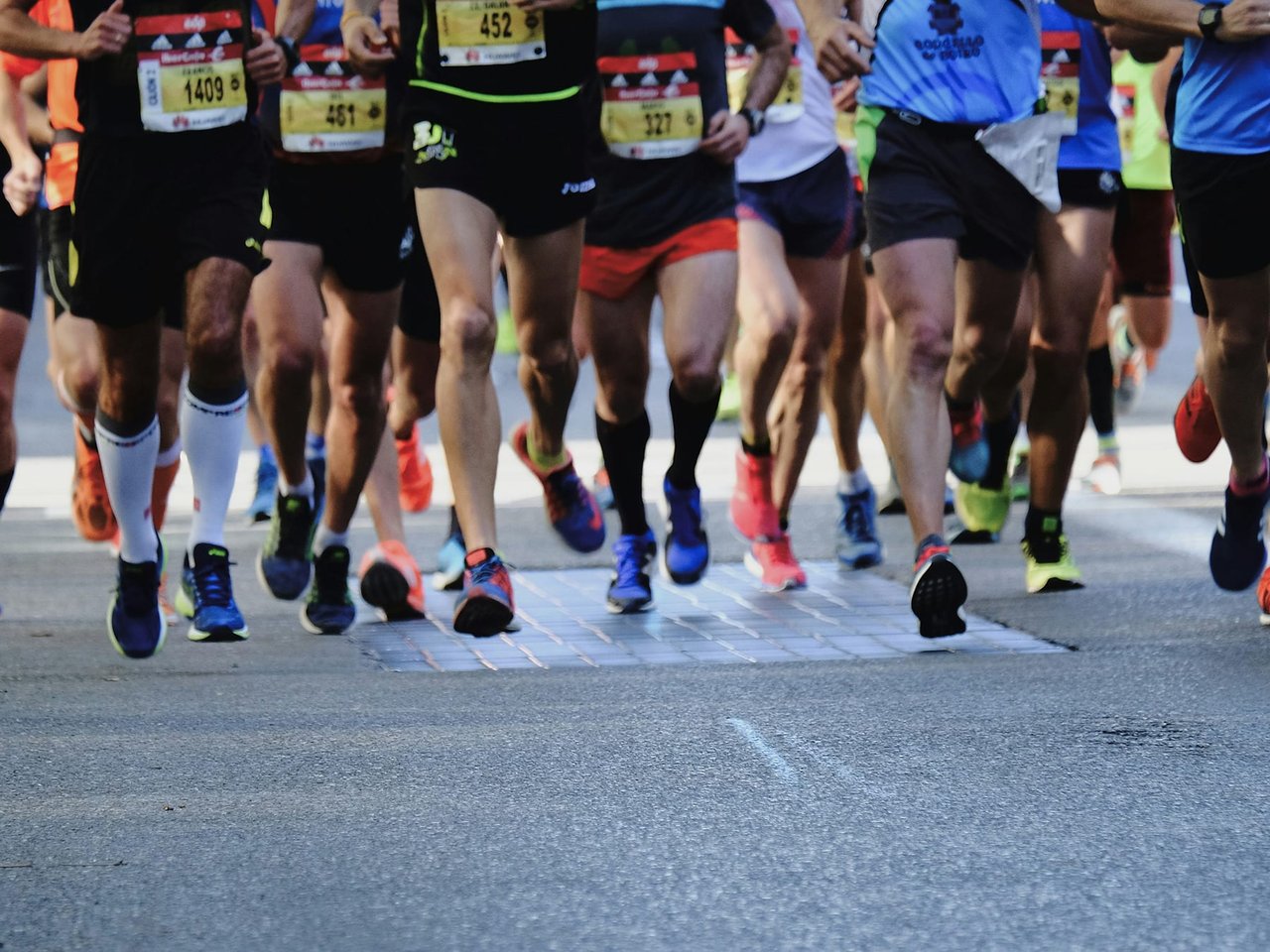
This Sunday, on April 26, 2026, thousands of runners will gather before sunrise along the rugged coastline of Big Sur, preparing to take on one of the most scenic, and challenging courses in the world. By the time they reach Carmel-by-the-Sea 26.2 miles later, they’ll have experienced something far beyond a typical marathon.

A Race Defined by Its Setting
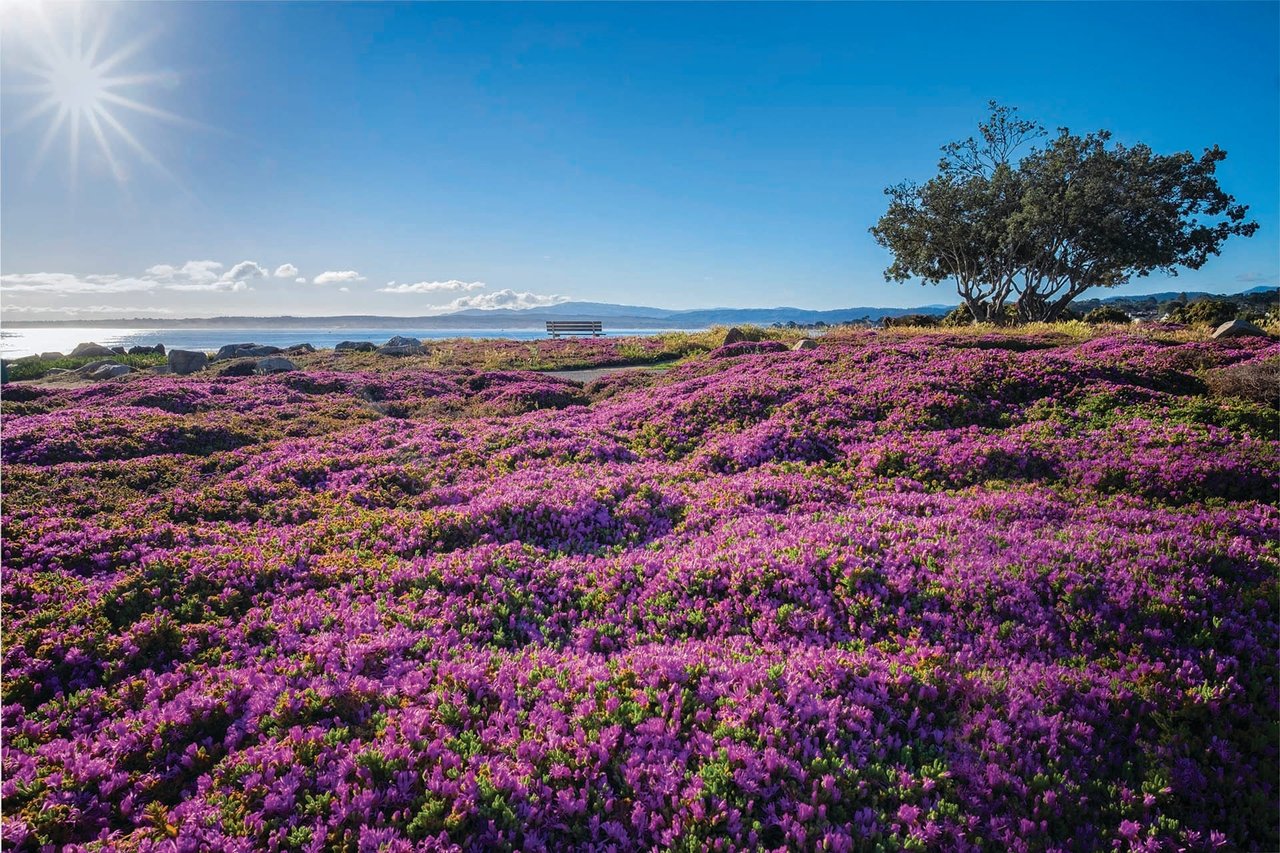
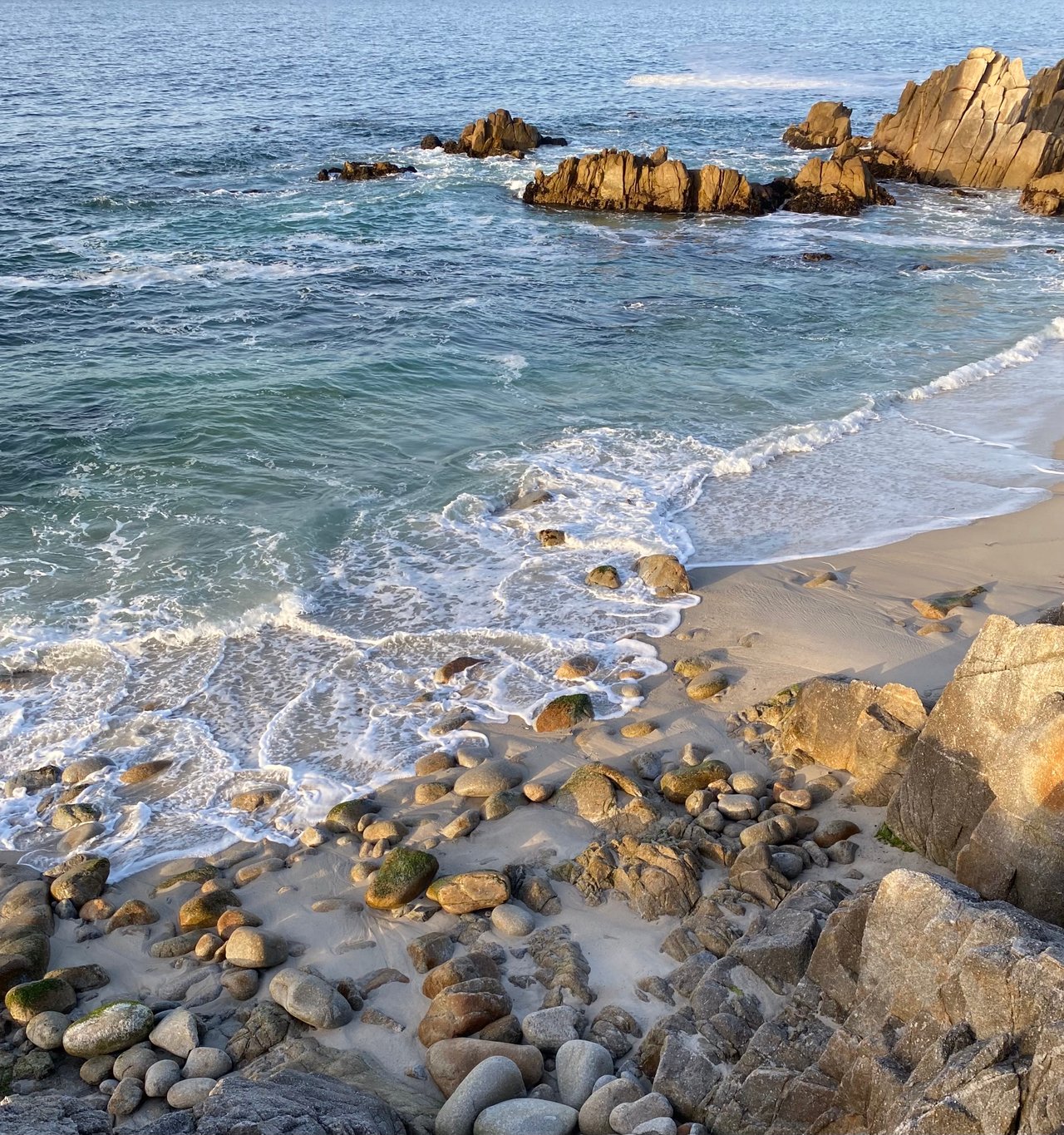
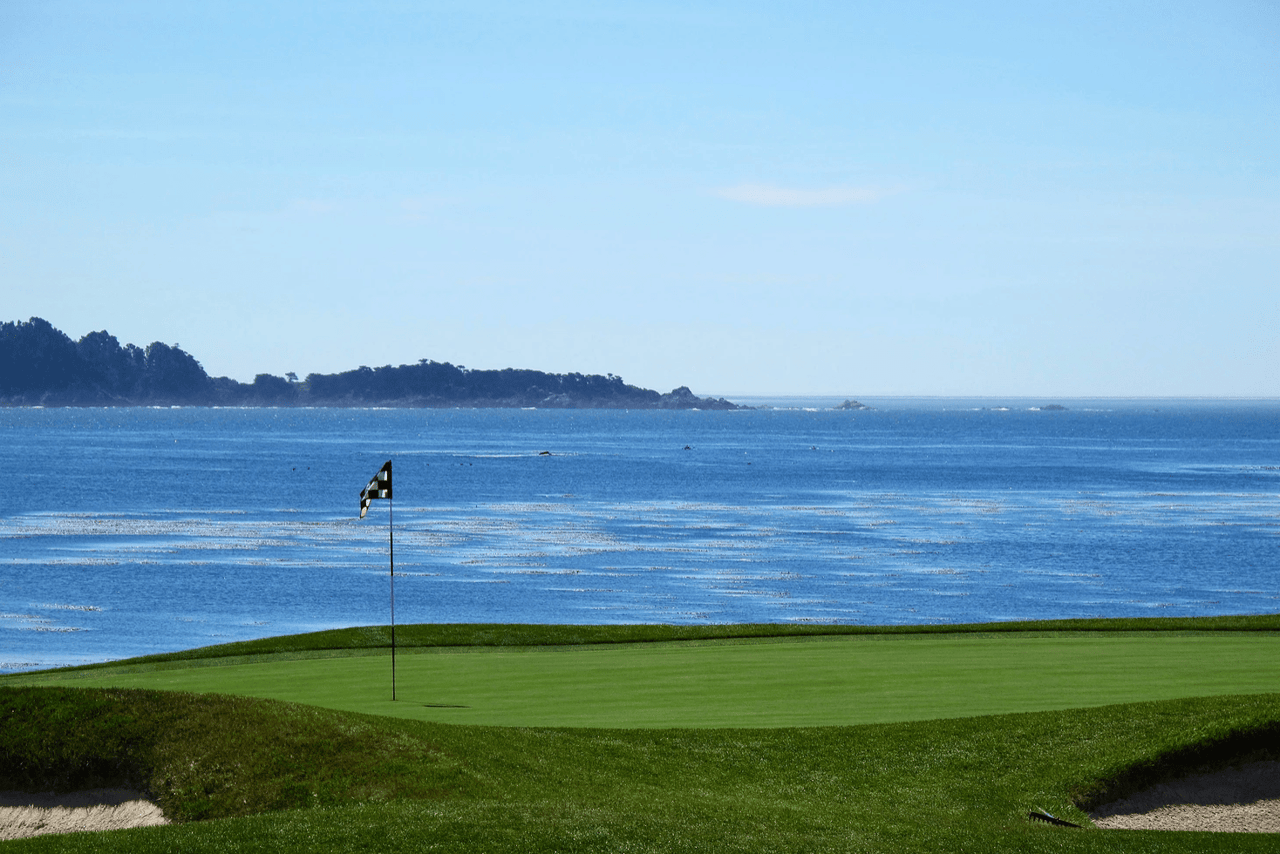
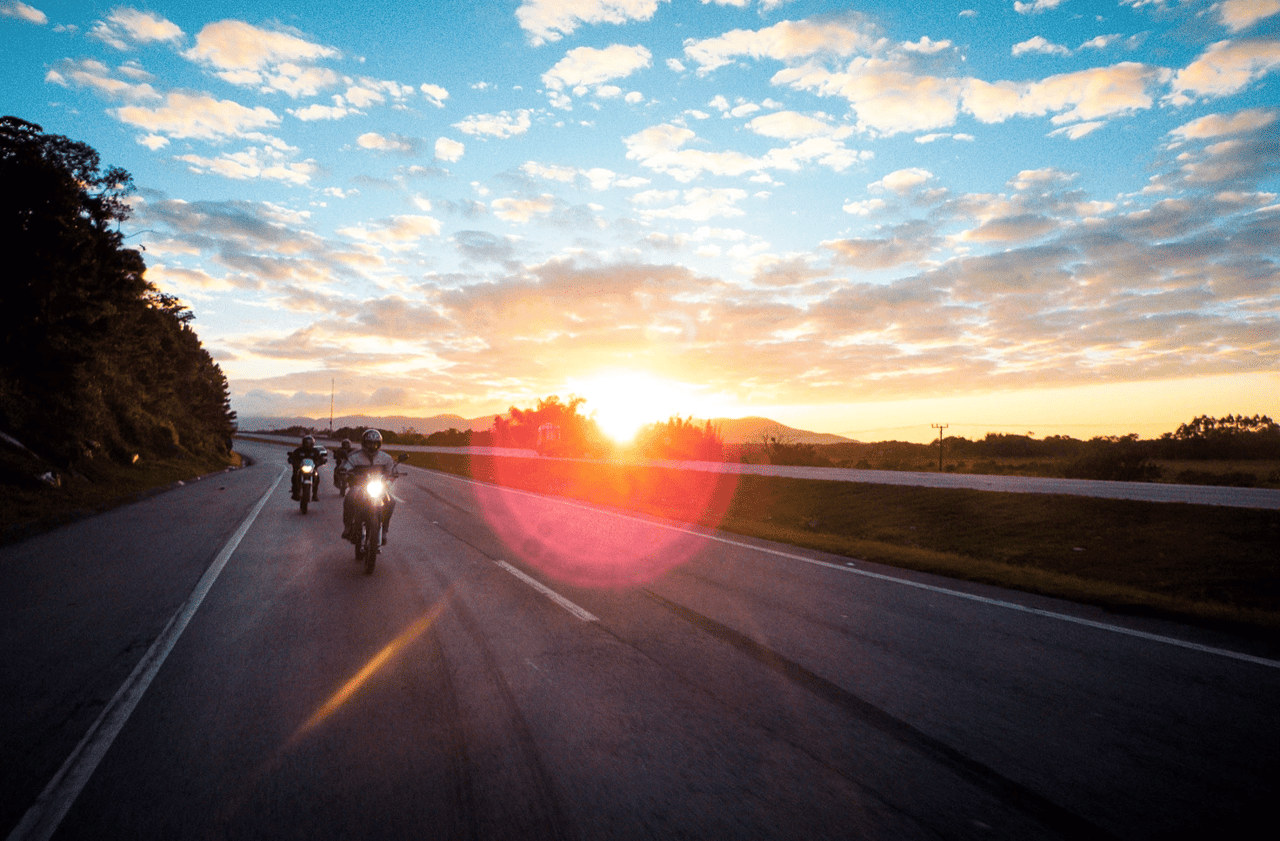
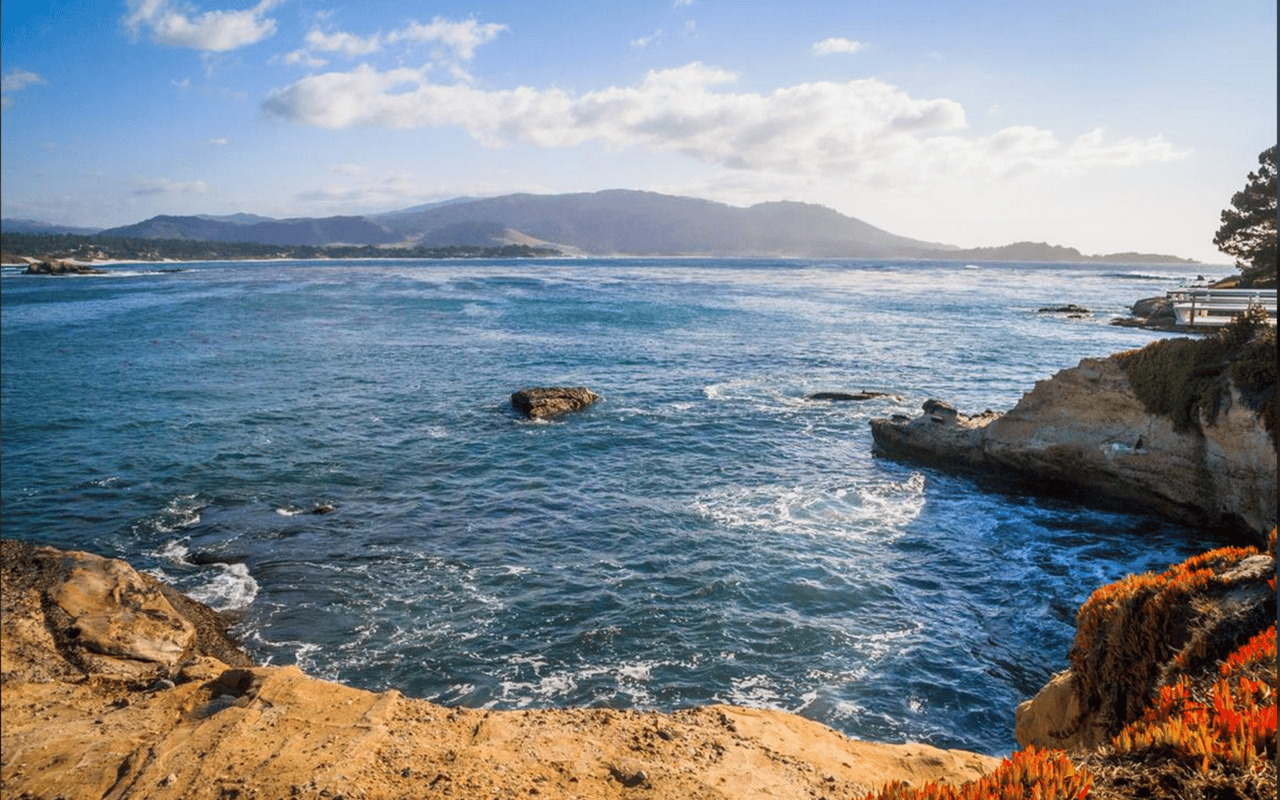
The course follows the dramatic curves of California State Route 1, a stretch of road better known for road trips than foot races. For a few rare hours, the highway closes to traffic, transforming into a ribbon of pavement reserved entirely for runners. There are no towering buildings or roaring city crowds here. Instead, the soundtrack is the rhythm of the Pacific Ocean, the wind rolling off the cliffs, and the quiet determination of thousands of runners moving north along the coastline. It’s often called the most beautiful marathon in the world—and once you see it, that claim doesn’t feel exaggerated.
Beauty Meets Challenge
It’s no surprise, beauty comes at a cost. Unlike flat, fast races designed for personal records, Big Sur demands patience. The course climbs and falls along the coastline, gaining more than 2,000 feet in elevation. The most infamous stretch, Hurricane Point, rises steadily above the ocean, testing even experienced runners. Finishing times here tend to be slower—and that’s the point. This is not a race you rush through. It’s one you take in.
The Moments That Make It Legendary
What truly sets Big Sur apart are the moments you don’t expect. Midway through the race, runners cross the iconic Bixby Creek Bridge and are greeted by the sound of a grand piano. A lone pianist, dressed in formal attire, plays as runners pass, creating one of the most surreal and memorable scenes in any marathon.
Later, near the final miles, volunteers hand out fresh strawberries, a small but meaningful gesture that has become part of the race’s identity.
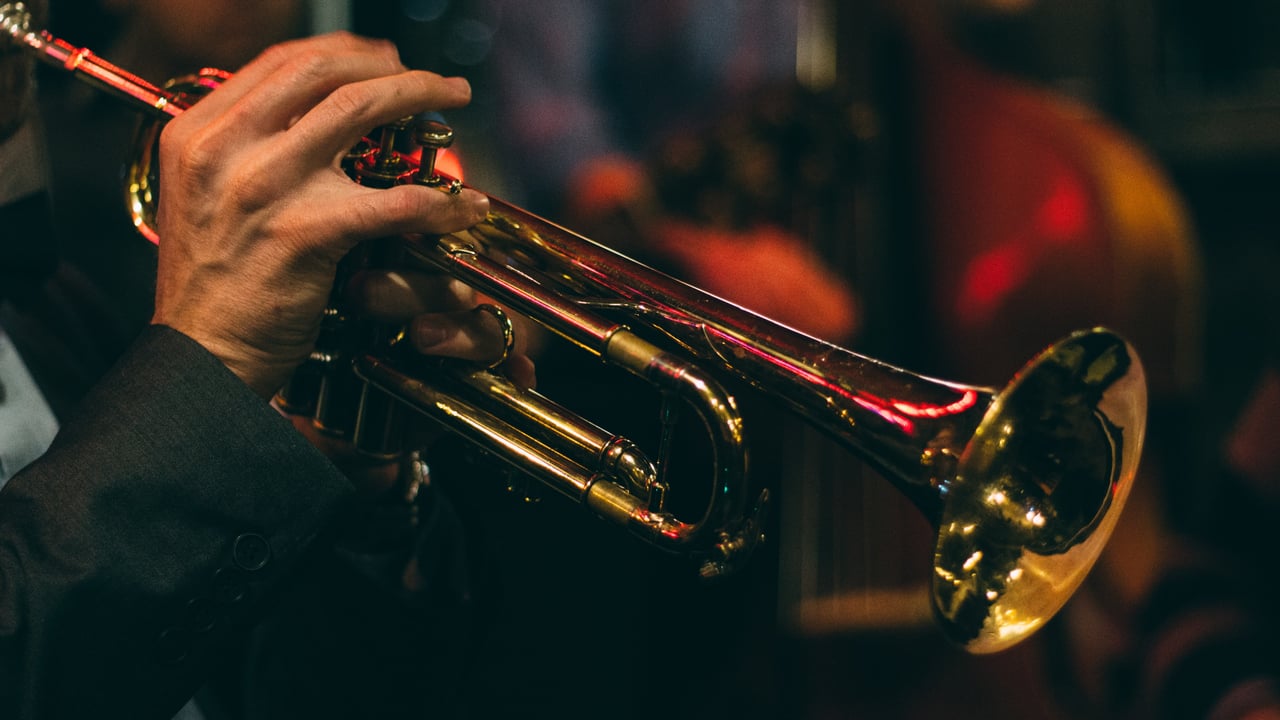
Along the course, musicians, drummers, and performers appear seemingly out of nowhere, turning long stretches of road into something that feels almost cinematic. It’s not just a race. It’s an experience.
A Marathon Unlike Any Other
Compared to races like Boston Marathon or Chicago Marathon, Big Sur feels entirely different. There are fewer runners, more space, and far less noise. The focus shifts from speed to scenery, from competition to connection—with the landscape, with the moment, and often with yourself.
It’s also a race you can’t simply decide to run on a whim. Entry is limited, and demand is high, with participants traveling from across the country and around the world just for the chance to be part of it. Over the years, the course itself has even adapted to the environment. Landslides along Highway 1 have occasionally forced changes, reminding everyone that here, nature still sets the rules.

Nature Has Literally Changed the Race
The Big Sur International Marathon exists in a place where nature is in charge, and it shows. Over the years, landslides along California State Route 1 have forced the race to change course entirely. In multiple years, including 1998, 2011, and even as recently as 2024, the iconic point-to-point route had to be rerouted into an out-and-back course because sections of the highway collapsed into the ocean. It’s one of the only major marathons where the course itself isn’t always guaranteed.
Extreme Weather Has Tested Runners
While many picture-perfect sunshine, race day has delivered everything from gale-force winds to heavy rain and dense fog. In 1995, torrential rains were so intense they destroyed the Carmel River Bridge near the finish line, a reminder of how unpredictable the Central Coast can be. Some years, runners are battling headwinds along the cliffs; other years, they’re running through mist that feels like they’re in a dream.
Yes…there Was a Cow on the Course
In the very first race in 1986, runners encountered something you won’t find at Boston or Chicago - a 700-pound cow in labor…on the course. It’s one of those stories that perfectly captures the spirit of Big Sur—wild, unpredictable, and completely unique.
More Than Just a Race
Since its founding in 1986, the marathon has become deeply tied to the Central Coast community raising millions for local nonprofits. But beyond that, it represents something harder to quantify. It captures the essence of this place. The slower pace. The connection to nature. A reminder of the feeling that life here is meant to be experienced, not rushed.
The Takeaway
For many runners, the Big Sur Marathon is a once-in-a-lifetime goal. For others, it becomes something they return to again and again—not for a faster time, but for how running this race makes them feel. Somewhere between the cliffs, the ocean, and the quiet stretches of road, this race becomes something more than 26.2 miles. It becomes a reminder of why people are drawn to this part of California in the first place. And why for many, one race, one visit, is never quite enough.