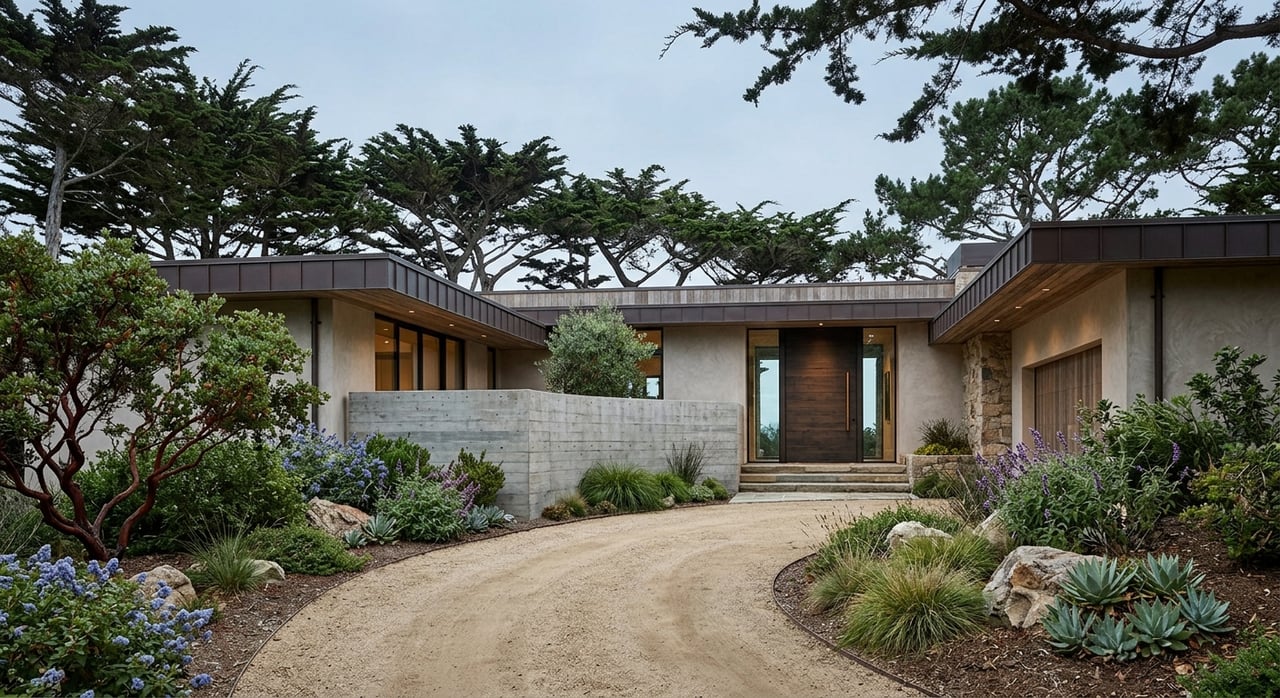
Wondering whether your next home should feel like a private coastal retreat or place you closer to Carmel’s walkable village rhythm? If you are comparing Carmel Highlands with Carmel Village living, you are really choosing between two very different daily experiences. One offers space, seclusion, and a stronger connection to rugged natural surroundings, while the other offers convenience, culture, and easy access to shops, dining, galleries, and the beach. Let’s dive in.
Carmel Highlands vs Carmel Village
At a high level, Carmel Highlands and Carmel-by-the-Sea serve different priorities. Carmel Highlands is described by Monterey County as the most rural of the Carmel coastal residential areas, with larger parcels, winding roads, and fewer nearby services. Carmel-by-the-Sea, by contrast, is an incorporated one-square-mile city with a commercial district, compact residential areas, and a highly walkable village setting.
If you want a simple way to think about the choice, Carmel Highlands tends to feel like a retreat market. Carmel Village living tends to feel like a lifestyle market. Your best fit depends on how you want your home to support your day-to-day life.
Carmel Highlands Feel
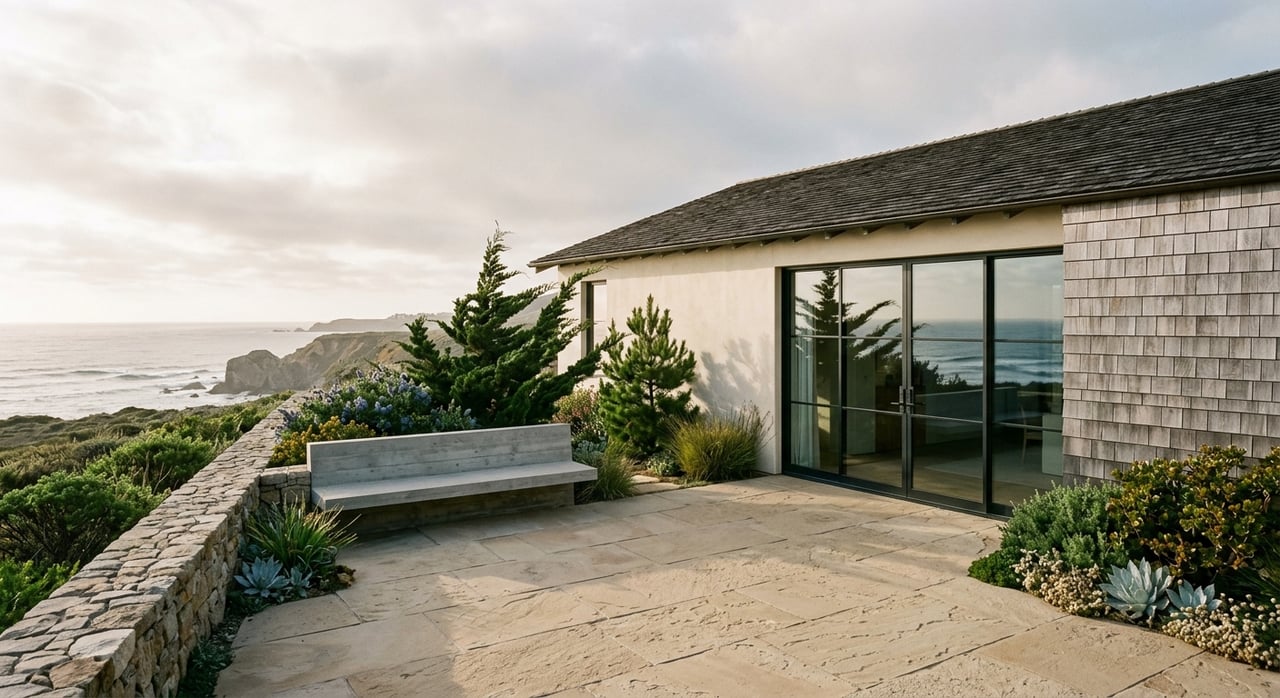
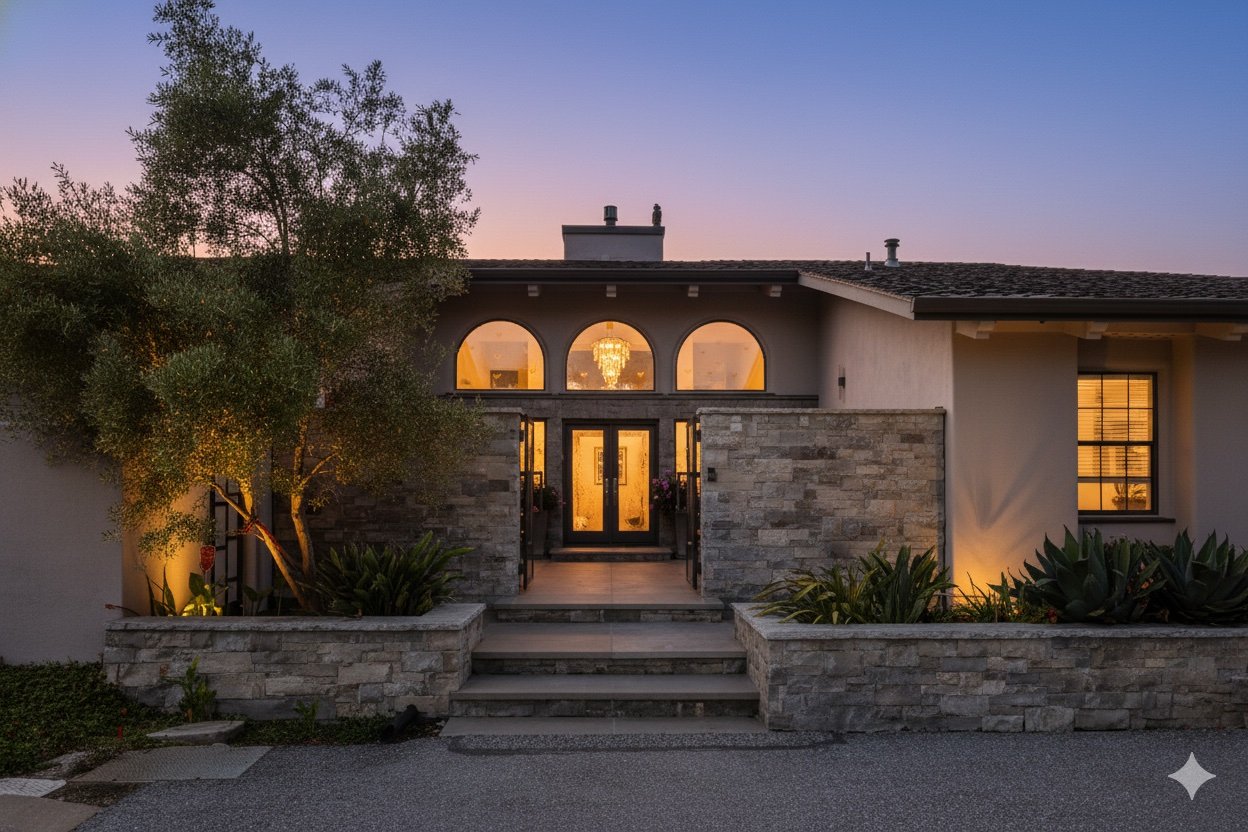
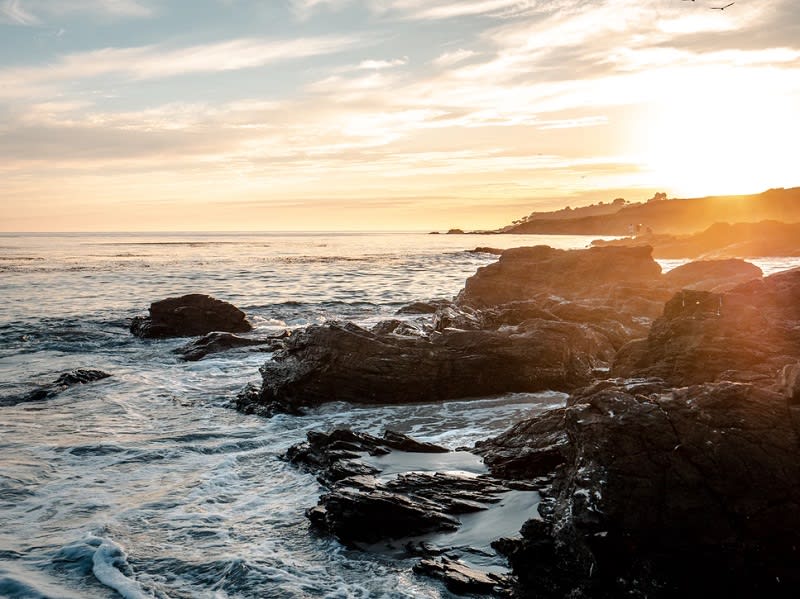
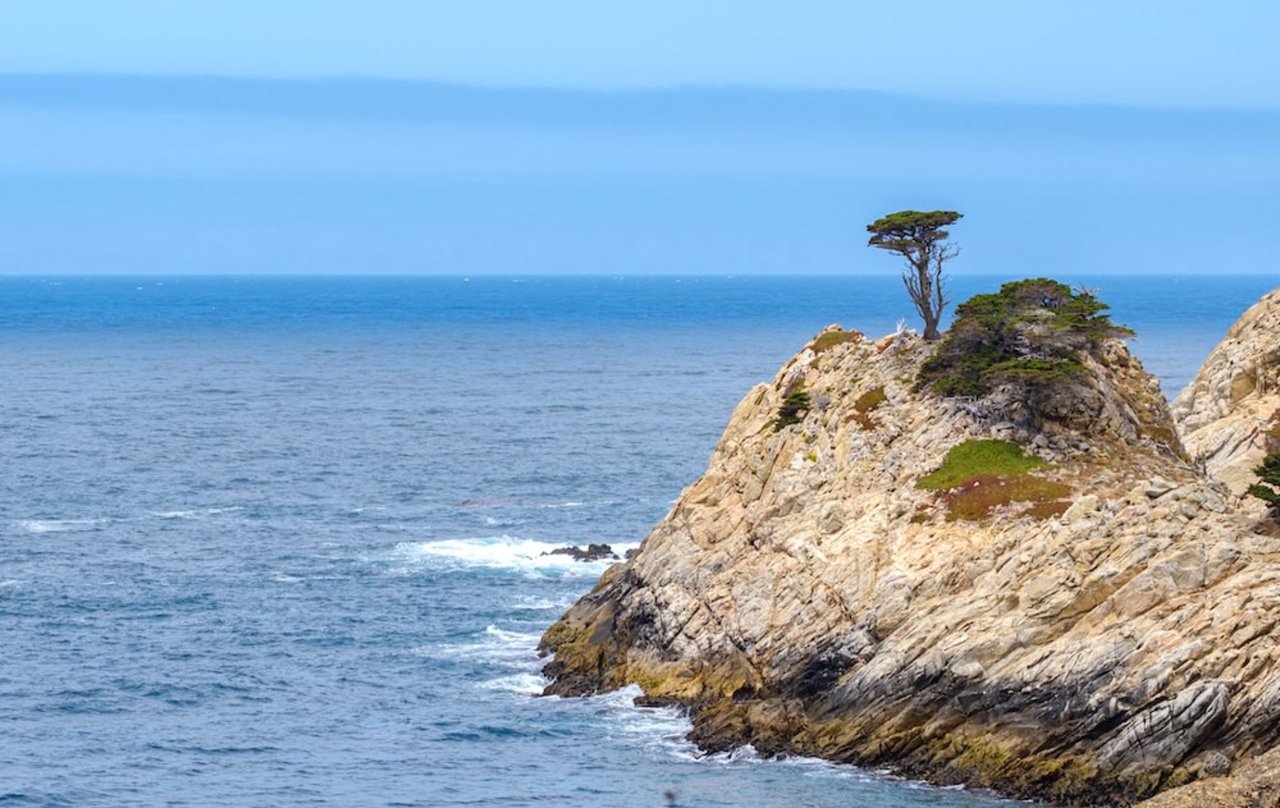
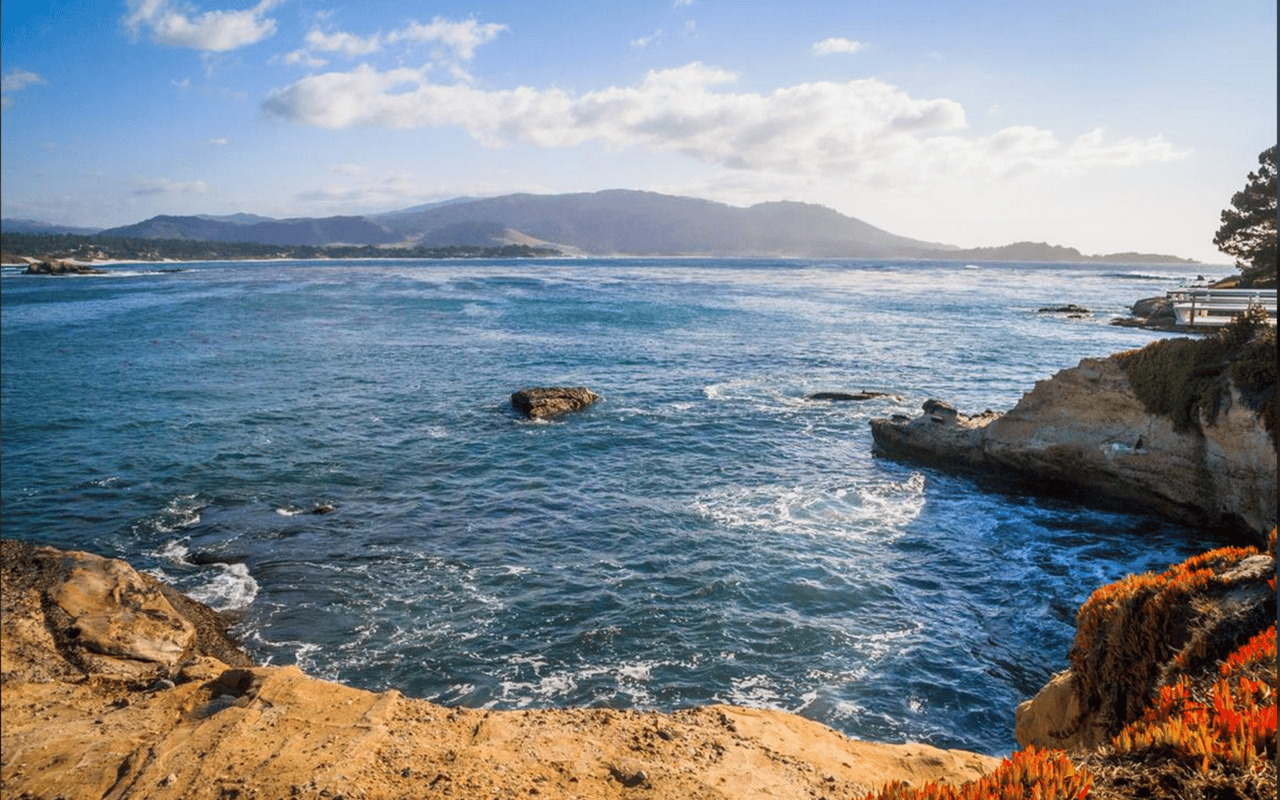
Carmel Highlands stands out for its natural setting. The area sits among granite cliffs, the Pacific, and the Santa Lucia Mountains, which gives it a dramatic coastal character that feels separate from the village core.
Monterey County also notes that the area is low density, with parcels generally ranging from one-half to one acre. That extra spacing often creates more privacy and a greater sense of retreat than you will usually find in Carmel-by-the-Sea.
Privacy and space
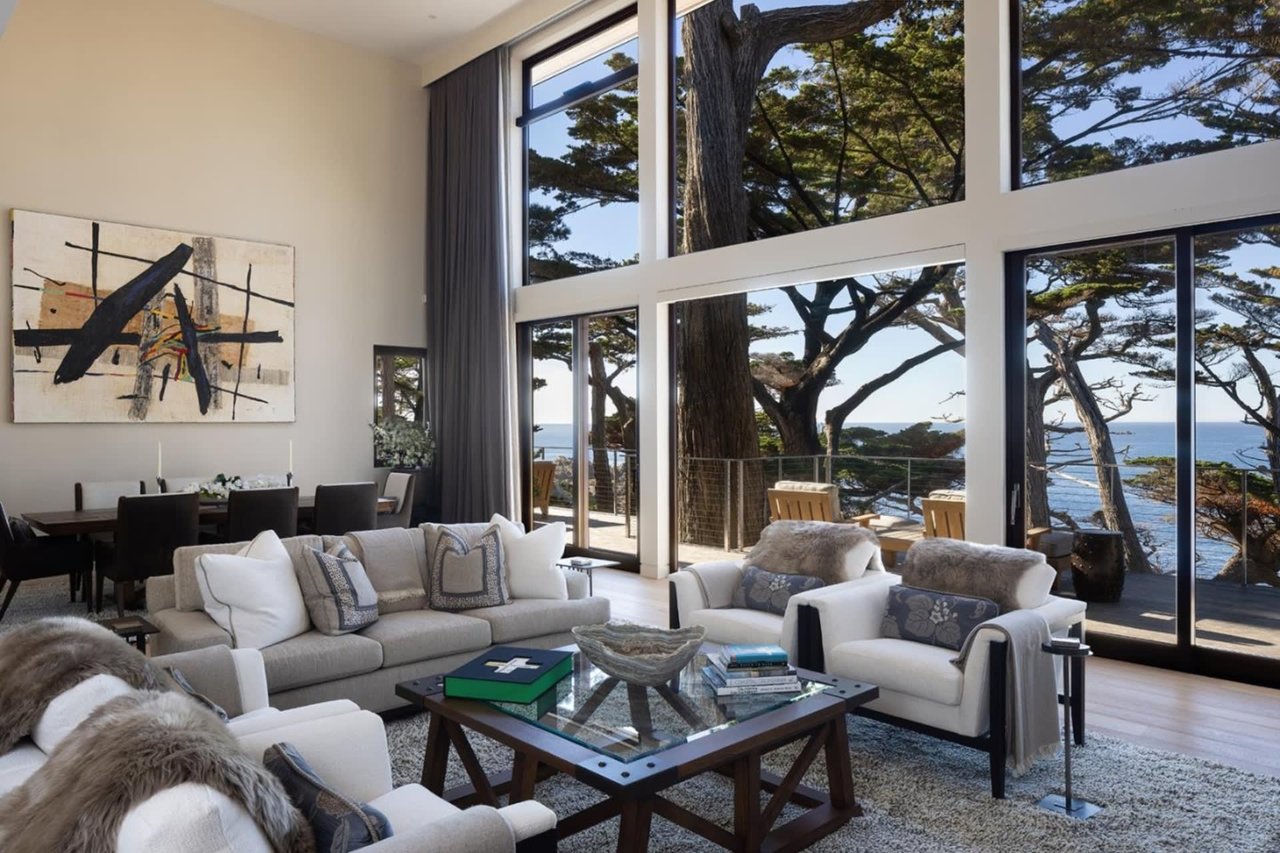
For many buyers, the biggest draw of Carmel Highlands is breathing room. Larger parcels and lower density can mean more separation between homes and a more tucked-away feel.
That can be especially appealing if you are looking for a second home, a quiet coastal base, or a property where privacy matters as much as convenience. In Carmel Highlands, the setting itself often becomes part of the lifestyle.
A more rural layout
The county plan describes internal roads in Carmel Highlands as narrow, steep, and winding. It also notes that the area lacks certain public services and facilities, and that future development is limited by steep slopes and shallow soils.
For buyers, that means the area keeps a more natural, less built-out character. It also means you should be comfortable with a setting that feels less plug-and-play than the village.
Carmel Village Feel
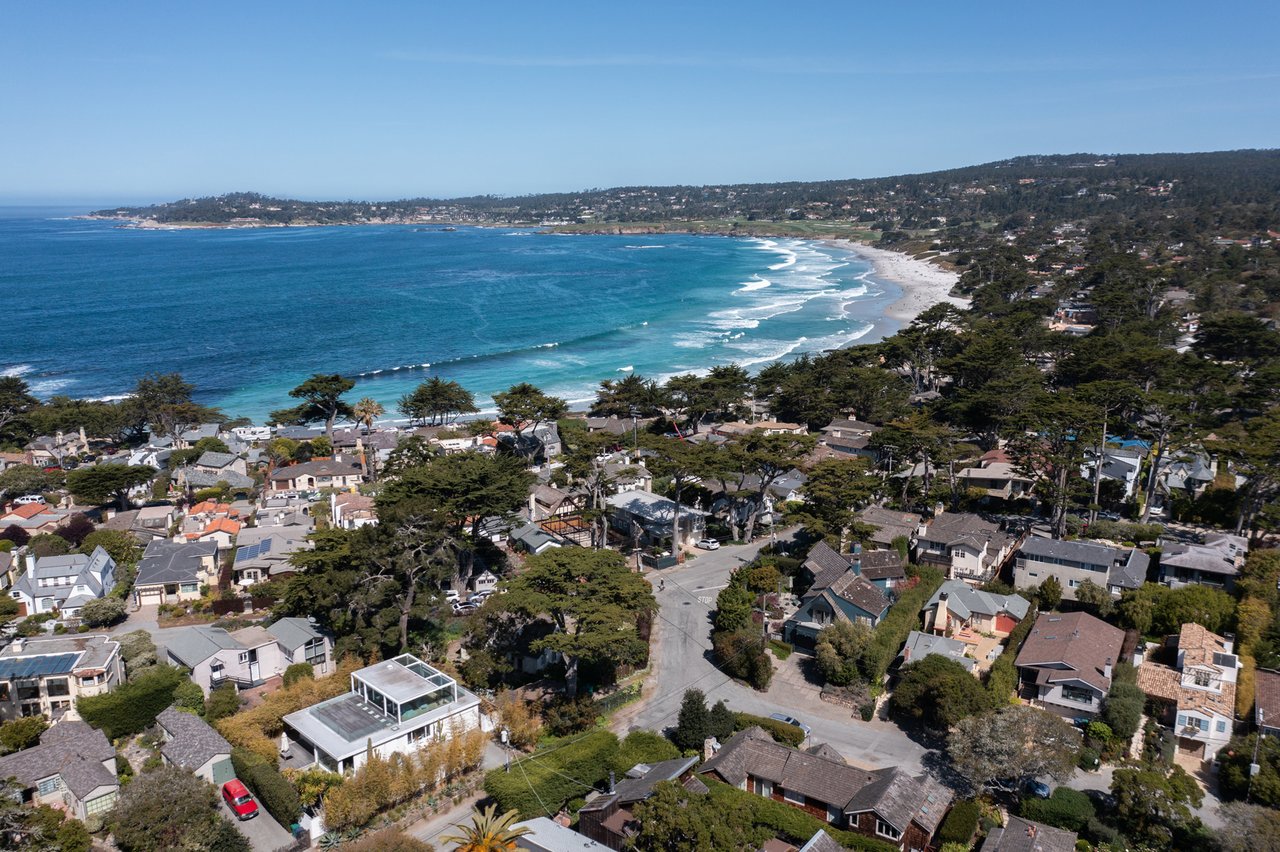
Carmel-by-the-Sea offers a very different experience. The official village and visitor information highlights a walkable setting with restaurants, wine tasting, boutiques, art galleries, white-sand beach access, and cultural venues like Sunset Center and the Forest Theater.
This is the side of Carmel where daily life can happen on foot. If you value being able to step out for coffee, dinner, a gallery visit, or a beach walk without much planning, village living may feel more natural.
Walkability and culture
Carmel’s village core is known for its compact layout and strong cultural identity. Official visitor information describes more than 80 galleries within a square mile, along with self-guided walking routes, courtyards, passageways, and a distinctly human-scale feel.
That creates a lifestyle centered on access and atmosphere. For some buyers, that kind of convenience is worth trading for a smaller lot and a tighter residential setting.
Beach access and activity
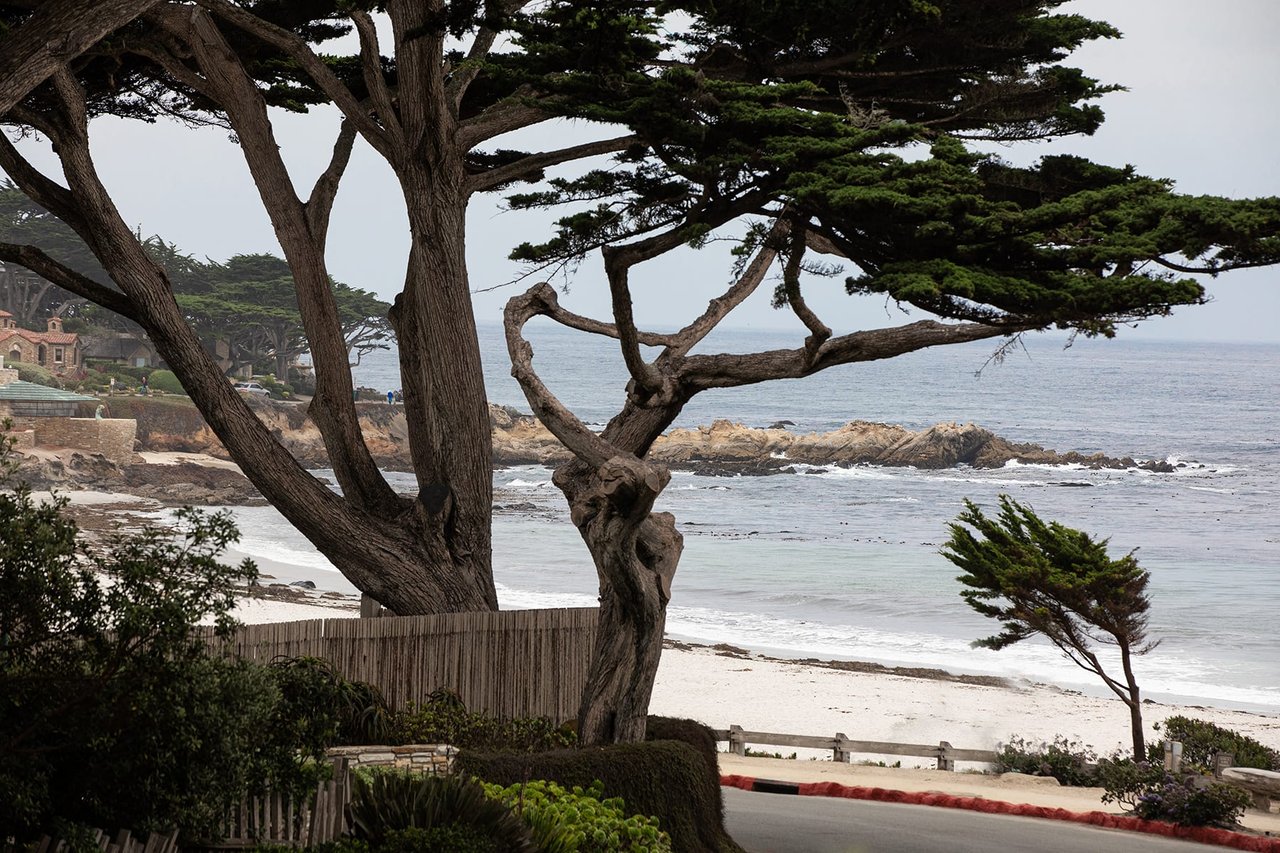
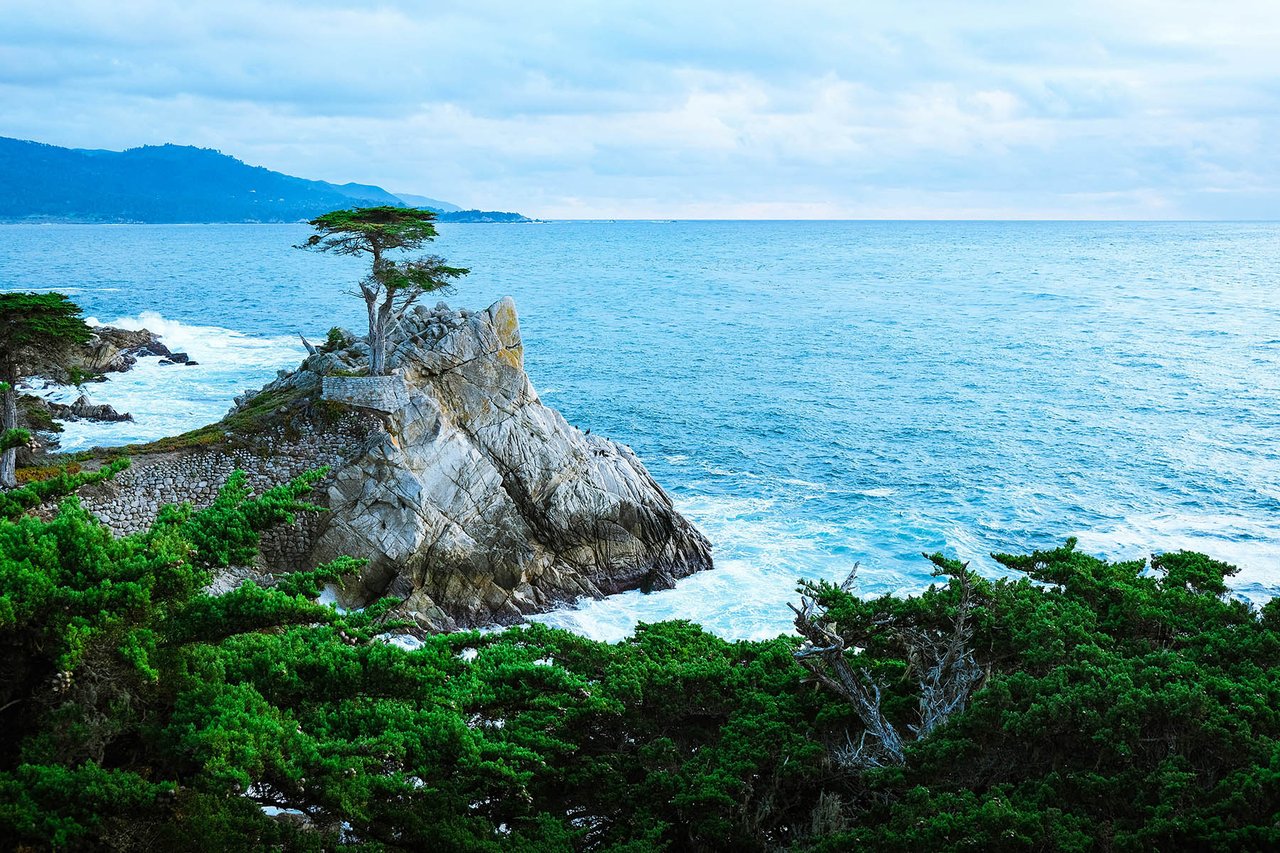
Village-side living also places you closer to Carmel Beach and the Scenic Road corridor. Scenic Road runs from Carmel Beach to Carmel River Beach and offers wide coastal views, including Carmel Point and the cypress-lined shoreline.
At the same time, Monterey County notes that Scenic Road is a major recreation destination where traffic, parking, and pedestrian conflicts are recurring issues. Official visitor information also notes that parking at Carmel Beach can be scarce on busy weekends, and parking along Scenic Road is limited.
Daily Life Comparison
The biggest practical difference between Carmel Highlands and Carmel Village is how you move through your day. Carmel Highlands is more car-dependent, while Carmel-by-the-Sea supports a more walkable routine.
County planning materials say Highlands residents and visitors do most of their shopping at the mouth of Carmel Valley, in the City of Carmel, or in Monterey. Approximate route estimates reinforce that the Highlands is not far away geographically, but it does live differently in practice.
| Lifestyle Factor | Carmel Highlands | Carmel Village |
|---|---|---|
| Overall setting | Rural coastal | Walkable village |
| Parcel pattern | Generally one-half to one acre | Smaller lots and tighter footprints |
| Daily routine | More driving | More on-foot convenience |
| Feel | Secluded and private | Active and culture-driven |
| Beach and village access | Nearby by car | Close at hand |
How close is close?
Approximate route times place Carmel Highlands about 6 minutes from Carmel and about 12 minutes from Monterey. Carmel-by-the-Sea is estimated at about 10 minutes from Monterey, and official visitor information says Monterey Airport is about 15 minutes from Carmel-by-the-Sea.
So while Carmel Highlands feels secluded, it is not isolated. The real distinction is less about distance and more about whether you want easy daily access or a stronger sense of remove.
Homes and lot sizes
Housing form is another major difference. In Carmel Highlands, the county’s parcel pattern supports lower-density living and a stronger sense of land around the home.
In Carmel-by-the-Sea, lot and floor-area rules create more compact building envelopes. According to the city’s planning handout, a 4,000-square-foot lot allows 1,800 square feet of base floor area, a 6,000-square-foot lot allows 2,460 square feet, and a 10,000-square-foot lot allows 3,300 square feet, with site coverage limits and additional structures counting toward floor area.
What that means in practice
In the village, homes often reflect careful scaling rather than expansive massing. The city says its residential design rules are intended to preserve human-scale building design and the area’s forest character, and most exterior alterations require Design Study approval.
In Carmel Highlands, the lifestyle impact is different. Larger lots often support a greater sense of privacy and a more site-driven relationship between the home and the landscape.
Architectural character
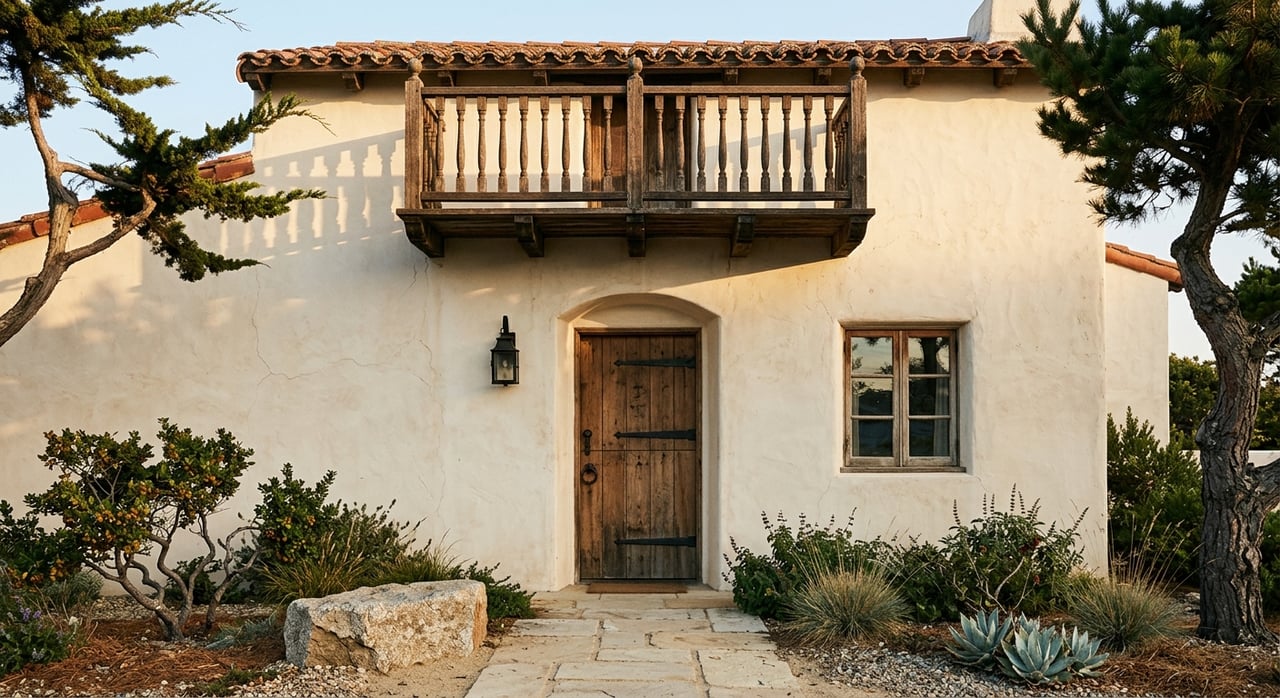
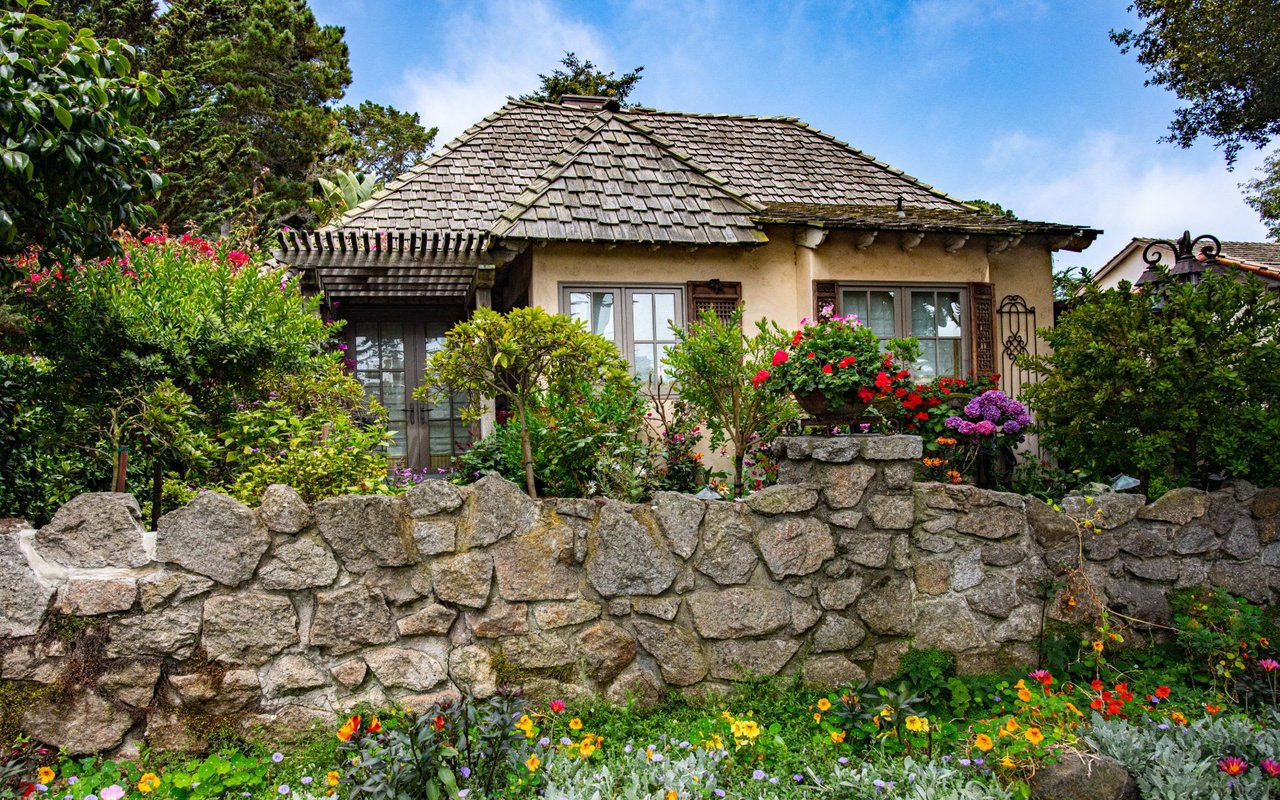
Carmel Village has a distinct visual identity. Official village information highlights the fairytale cottages associated with Hugh Comstock, including rolled eaves, rounded doors, and asymmetrical stone chimneys. The village’s older, smaller-scale architecture contributes to a setting that feels curated and historically expressive.
That aesthetic can be a major draw if you want charm, tradition, and a strong sense of place. It also comes with design oversight that helps maintain the area’s established character.
A note on regulations
The city also prohibits short-term rentals of less than 30 days in the single-family residential district. For many buyers, that reinforces the idea that village ownership is centered on residential use rather than short-term rental turnover.
In Carmel Point, Monterey County recommends a 24-foot maximum height from natural grade along Scenic Road to help protect viewsheds and visual compatibility. Carmel Point often sits in the middle ground between a village-adjacent lifestyle and a more residential beach-edge setting.
Which buyers tend to prefer each?
There is no universal winner here. The right choice depends on what matters most to you once the excitement of the search gives way to everyday living.
Carmel Highlands may suit you if you want:
- More privacy between homes
- Larger parcels
- A lower-density coastal setting
- A quieter, retreat-like environment
- A home experience shaped by landscape and seclusion
Carmel Village may suit you if you want:
- Walkability for daily errands and leisure
- Easy access to dining, galleries, and cultural venues
- Close proximity to Carmel Beach and Scenic Road
- A compact, character-rich residential environment
- A home base that supports an active, on-foot lifestyle
Carmel Point may appeal if you want a middle ground
Carmel Point can work well if you want beach access and proximity to village life, but still prefer a more residential setting than the commercial core. At the same time, county guidance notes that this area is more urbanized than Carmel Highlands, with smaller parcels and more visitor activity.
That makes Carmel Point a useful option for buyers who want scenic surroundings without giving up convenience. It is often less secluded than the Highlands, but less village-centered than downtown Carmel-by-the-Sea.
How to make the decision
If you are choosing between these areas, try evaluating them through the lens of routine rather than romance alone. Ask yourself where you want to be on an ordinary Tuesday morning, not just on a perfect sunset weekend.
Do you picture a quiet drive home through a low-density coastal landscape, with more space around you and fewer nearby services? Or do you picture walking to dinner, browsing a gallery, and heading to the beach without getting in the car?
That answer usually points you in the right direction. In Carmel Highlands, you are often buying privacy, land, and retreat. In Carmel Village, you are often buying access, character, and a highly livable coastal routine.
If you are exploring Carmel Highlands, Carmel-by-the-Sea, or Carmel Point and want guidance tailored to your goals, connect with Jessica Canning for thoughtful local insight and discreet, high-touch representation.
FAQs
What is the main difference between Carmel Highlands and Carmel Village living?
- Carmel Highlands is generally more rural, private, and low density, while Carmel Village living is more walkable, compact, and centered around dining, galleries, beach access, and daily convenience.
Are homes in Carmel Highlands usually on larger lots than in Carmel-by-the-Sea?
- Yes. Monterey County describes Carmel Highlands parcels as generally one-half to one acre, while Carmel-by-the-Sea has smaller lots with more tightly regulated building envelopes.
Is Carmel Highlands far from Carmel-by-the-Sea amenities?
- Not especially. Approximate route times place Carmel Highlands about 6 minutes from Carmel, but the area still feels more secluded because most daily errands and shopping require driving.
What is Carmel Point like compared with Carmel Highlands?
- Carmel Point is generally a middle-ground option. It is closer to the beach and village activity, with smaller parcels and more visitor traffic than Carmel Highlands.
Does Carmel-by-the-Sea allow short-term rentals in single-family residential areas?
- The city prohibits short-term rentals of less than 30 days in the single-family residential district.
Which area is better for privacy in the Carmel area?
- Buyers who prioritize privacy often look more closely at Carmel Highlands because of its larger parcels, lower density, and retreat-like setting.