If Carmel-by-the-Sea feels harder to search than other markets, that is because it is. In a one-square-mile village with small lots, informal neighborhood labels, and an address system that often gives way to blocks and cross-streets, your home search quickly becomes a street-by-street decision. The good news is that once you understand how Carmel’s neighborhoods shape walkability, privacy, beach access, and buildability, your options get much clearer. Let’s dive in.
Why Carmel Searches Feel Different
Carmel-by-the-Sea is not a typical suburban market with large tracts and clear-cut boundaries. The city describes itself as a compact, built-out village with no vacant land, and new housing must blend into existing neighborhoods. That means the homes you compare may be only a few blocks apart, yet feel very different in daily use.
The city is also entirely within the coastal zone and operates under a certified Local Coastal Program. In practical terms, your search may be shaped by design review, setbacks, tree considerations, and coastal access patterns. These factors matter whether you are buying a full-time residence, a second home, or a legacy property to hold long term.
Another Carmel quirk is how people orient themselves. Street addresses are not always the main reference point, so buyers often talk in terms of blocks, cross-streets, or even house names. In Carmel, the right fit is often less about a broad neighborhood label and more about the exact location of the home within that pocket.
Start With Your Top Priority
The fastest way to narrow your search is to decide what should win if you cannot have everything at once. In Carmel, the most useful filters are usually walkability, privacy, yard space, parking, and beach proximity.
If you want to stroll to Ocean Avenue and Carmel Beach, the village core will likely rise to the top. If you want more breathing room, easier parking, or a quieter residential feel, the inland and forested pockets may fit better. If beach adjacency matters most, but you want less commercial activity nearby, you may find yourself comparing homes south of the core.
Golden Rectangle: Walkability First
The Golden Rectangle is one of Carmel’s best-known neighborhood labels, even though its exact edges can vary depending on who is describing it. What stays consistent is its location in the southwest village core, close to Ocean Avenue, Carmel Beach, and Scenic Road. For many buyers, that combination makes it the strongest choice for walkability and easy beach access.
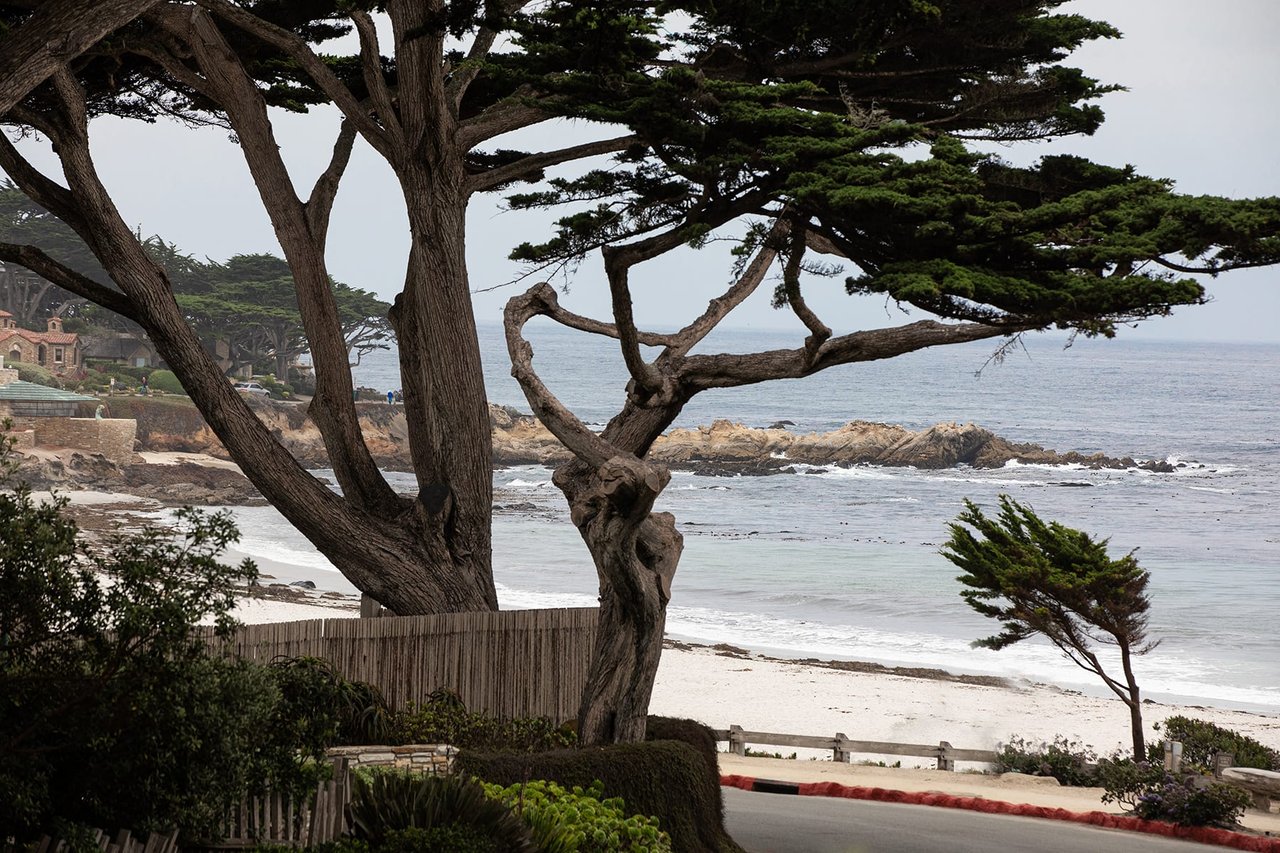
The city’s beach access setup helps explain why this area is so sought after. The Ocean Avenue sand ramp and the nine Scenic Road stairways are the main public access points to Carmel Beach. A home just a block or two closer to those access points can feel meaningfully different in convenience, foot traffic, and parking pressure.
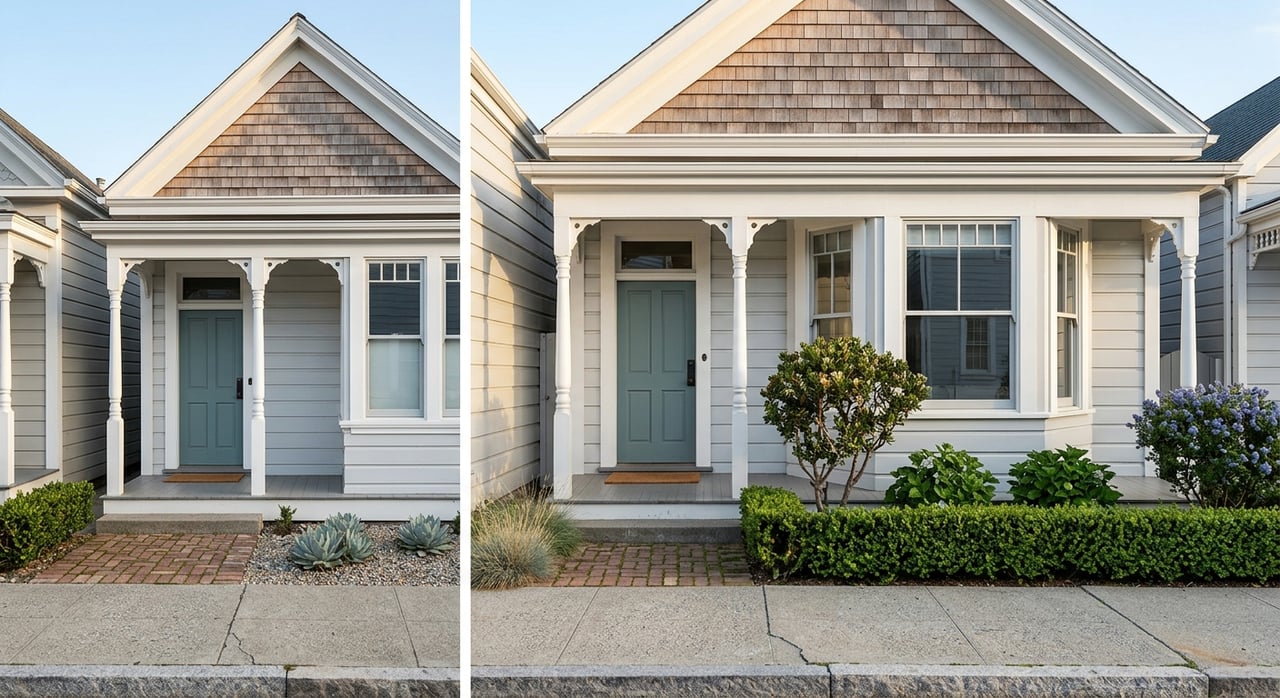
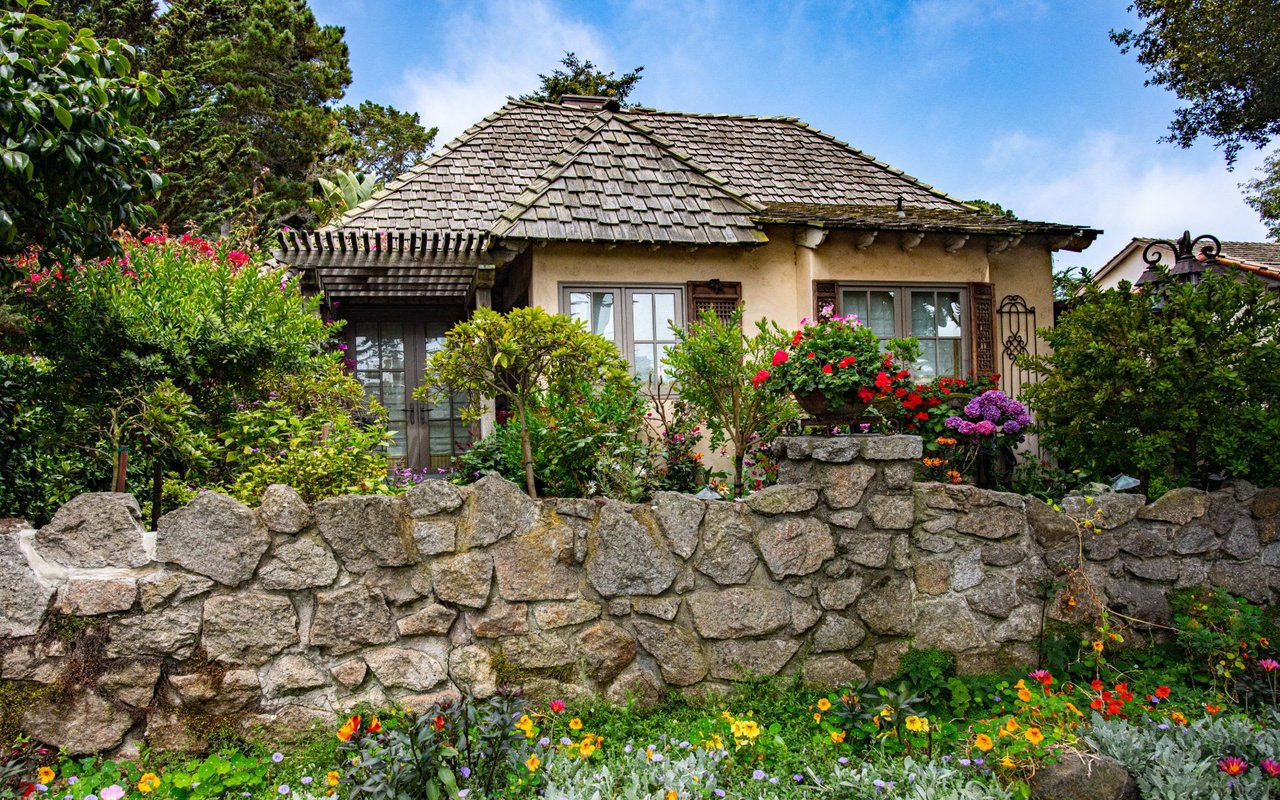
The Golden Rectangle also tends to reflect Carmel’s tighter, cottage-scale village pattern. In this part of town, buyers are often weighing subtle but important differences such as privacy, lot use, and parking, rather than dramatic changes in land size. That is why two homes with similar square footage can live very differently from day to day.
What to weigh in the Golden Rectangle
- Walkability to Ocean Avenue
- Proximity to Carmel Beach access points
- Day-to-day parking ease
- Foot traffic near popular routes
- Privacy on tighter village blocks
Northwest and Northeast Carmel: A Middle Ground
If you want a balance between village access and a calmer feel, Northwest Carmel and Northeast Carmel often become strong contenders. These areas are generally viewed as middle-ground options for buyers who want Carmel character without being in the heart of the busiest village blocks.
Northwest Carmel is commonly described as quieter than the Golden Rectangle while still being relatively close to the beach. That can appeal to buyers who want to enjoy Carmel’s coastal setting without being as close to the core pedestrian flow. The result is often a more tucked-away feel while staying connected to town.
Northeast Carmel, north of Ocean Avenue and east of Junipero Street, is often associated with a calmer environment and larger lots than the village core. If you are looking for more outdoor space or a little more separation between homes, this pocket can be worth close attention. It may suit buyers who want Carmel access but do not need to be steps from Ocean Avenue.
Carmel Point: Beach Access With A Quieter Feel
Carmel Point is often part of the conversation for buyers who prioritize the coast. In the broader Carmel search, it is known as a southern pocket that tends to attract buyers looking for beach adjacency with a more residential rhythm than the commercial core.
Local descriptions often associate Carmel Point with cottages, cabins, and beach houses. That gives it a distinct identity compared with areas where homes tend to be larger or more custom in style. If you want to stay close to the shoreline but prefer a quieter setting than the village center, Carmel Point may be the right comparison set.
For many buyers, the real question is not whether Carmel Point is better than the Golden Rectangle. It is whether you value immediate village walkability more than a calmer beach-oriented setting. That is a very personal tradeoff, and it often becomes clear only after touring both.
Hatton Fields: More Space, Easier Parking
Hatton Fields offers a different Carmel experience. Located southeast of downtown and east of Highway 1, it is often described as quieter, sunnier, and roomier than the village core.
This neighborhood frequently appeals to buyers who want larger homes, easier parking, and a little more separation from visitor activity. It is also commonly viewed as more convenient to Crossroads Carmel and Barnyard Shopping Village than to the beach. If your lifestyle leans toward space and everyday ease over coastal walkability, Hatton Fields can make a compelling case.
Hatton Fields is often a practical choice for buyers who still want to remain in Carmel’s orbit without living in its most condensed blocks. That makes it especially relevant if you are comparing how a home feels on weekends, during vacation periods, or in a second-home ownership pattern.
Carmel Woods and Mission Fields: Space and Calm
Carmel Woods is another option for buyers who want a more forested setting. Reported lot sizes there often range from about 3,000 to 8,000 square feet, and some homes are still a short walk to town or the beach. That mix can appeal to buyers who want a stronger sense of retreat while staying connected to village life.
Mission Fields is another common comparison point for buyers focused on quiet streets, sunshine, park access, shopping convenience, and a longer but still manageable trip to downtown. These areas tend to come into focus when a buyer values day-to-day comfort more than immediate access to Ocean Avenue.
Lot Size Does Not Tell The Whole Story
One of the biggest Carmel surprises is that a larger lot does not always translate into a dramatically larger home. The city’s planning guidance shows that a 4,000 square foot lot can allow 1,800 square feet of base floor area and 396 square feet of allowable site coverage, while a 6,000 square foot lot is subject to a lower floor-area ratio of 41 percent rather than 45 percent.
What does that mean for you? A larger lot may give you more yard area, more privacy, and more room for parking or outdoor living, but not always a proportionally larger structure. This is one reason Carmel buyers need to look beyond neighborhood names and study each parcel on its own merits.
Questions to ask on every property
- How much of the lot is usable day to day?
- What are the parking conditions on this block?
- How close is the nearest beach access point?
- How much privacy do neighboring homes allow?
- How might local planning rules affect future changes?
Daily Access Can Change Your Experience
In Carmel, convenience is often measured in blocks, not miles. A home one or two blocks from a main access route can feel very different from another home in the same neighborhood label. This is especially true near the Ocean Avenue sand ramp and Scenic Road stairways, where access, foot traffic, and parking patterns can shape the daily experience.
Seasonal use also plays a role. Carmel’s Housing Element reports that about 51 percent of housing units are seasonal, recreational, or occasional use. That means neighborhood rhythm can shift between weekdays, weekends, and vacation periods, which is worth thinking through if you are buying a second home or want a certain pace of life.
A Smart Framework For Your Search
If you are serious about buying in Carmel-by-the-Sea, start by ranking your priorities clearly. Ask yourself whether you care most about walking to town, being near the beach, having more space, or preserving privacy.
Then compare homes at the block level, not just the neighborhood level. In Carmel, two properties in the same informal area can offer very different living patterns because of beach access routes, lot dimensions, parking, and the way the village developed over time.
That is where local guidance becomes especially valuable. A thoughtful search in Carmel is not just about finding a beautiful house. It is about matching your daily routine, privacy preferences, and long-term goals to the right part of the village.
If you are weighing Carmel-by-the-Sea neighborhoods and want a discreet, highly informed view of what fits your goals, Jessica Canning can help you narrow the search with local insight and tailored guidance.
FAQs
How do Carmel-by-the-Sea neighborhoods affect walkability?
- Neighborhood location shapes how easily you can reach Ocean Avenue, Carmel Beach, and key village destinations on foot. The Golden Rectangle is often the strongest option for buyers who prioritize walkability.
What makes the Golden Rectangle important in Carmel-by-the-Sea?
- The Golden Rectangle sits close to Ocean Avenue, Carmel Beach, and Scenic Road, so it often offers the best mix of village access and beach convenience.
Is Carmel Point quieter than the village core in Carmel-by-the-Sea?
- Carmel Point is commonly compared by buyers who want to stay near the beach but prefer a calmer residential feel than the busier commercial core.
Do larger lots in Carmel-by-the-Sea allow much larger homes?
- Not always. City planning rules mean a larger lot may provide more yard space, privacy, or parking without allowing a proportionally larger house.
Why do buyers compare Carmel-by-the-Sea homes by block instead of just neighborhood?
- Carmel’s informal neighborhood labels, uncommon address practices, beach access points, and varying lot patterns make exact block location especially important during a home search.
Does seasonal use affect Carmel-by-the-Sea neighborhood feel?
- Yes. The city reports that roughly 51 percent of housing units are seasonal, recreational, or occasional use, so occupancy and neighborhood activity can vary by time of week or season.