
What Really Drives Value in Pebble Beach Luxury Homes
What makes one Pebble Beach home trade at a major premium while another, with similar square footage, lands in a very different range? In this market, the answer is rarely just size or finishes. If you are buying or selling in Pebble Beach, it helps to understand how micro-location, views, land-use constraints and architectural pedigree shape value. Our team has been selling Pebble Beach for almost 30 years now, so let’s dive in.
Pebble Beach is a micro-location market
Pebble Beach does not behave like one broad luxury market with one clean price band or price per square foot formula. Pebble Beach is a 1,300-acre coastal district with roughly four miles of shoreline framed by protected open space and was developed as low-intensity, large-lot area for residential use. That matters because land-use constraints help create scarcity. Large portions of the forest and shoreline are reserved for conservation or limited low-intensity recreation, and 17-Mile Drive and other Del Monte Forest roadways are privately owned and controlled. As a result, homes that may look similar on paper can carry very different value depending on exactly where they sit.
Coastline creates a scarcity premium
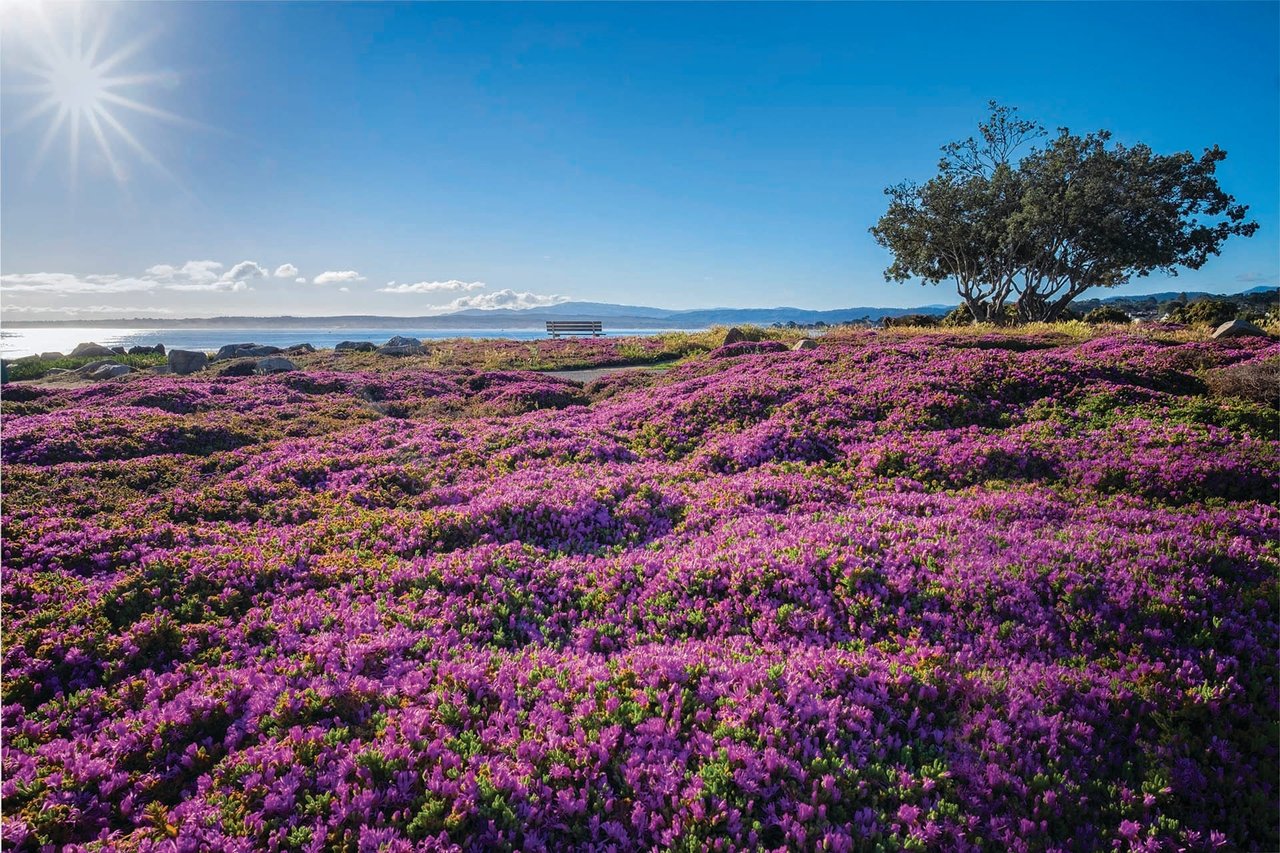
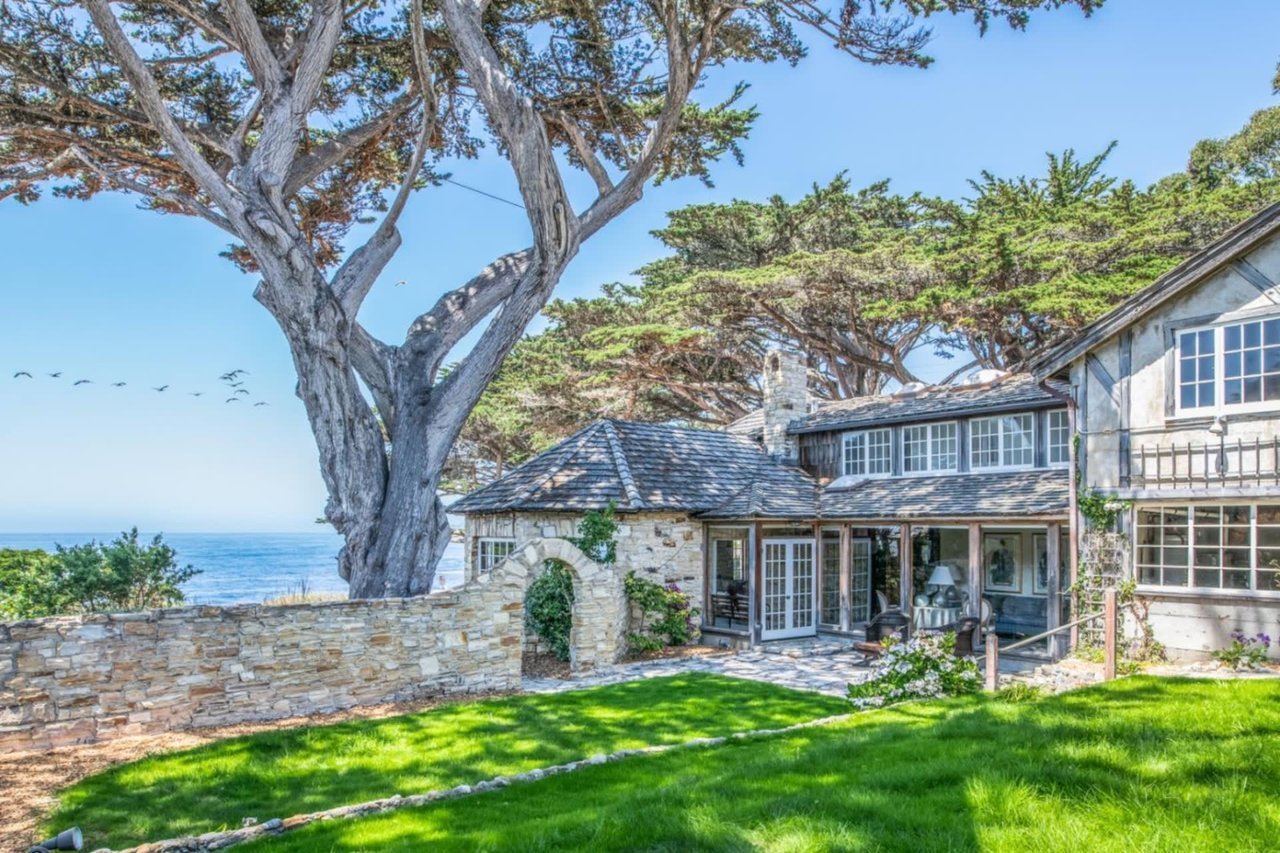
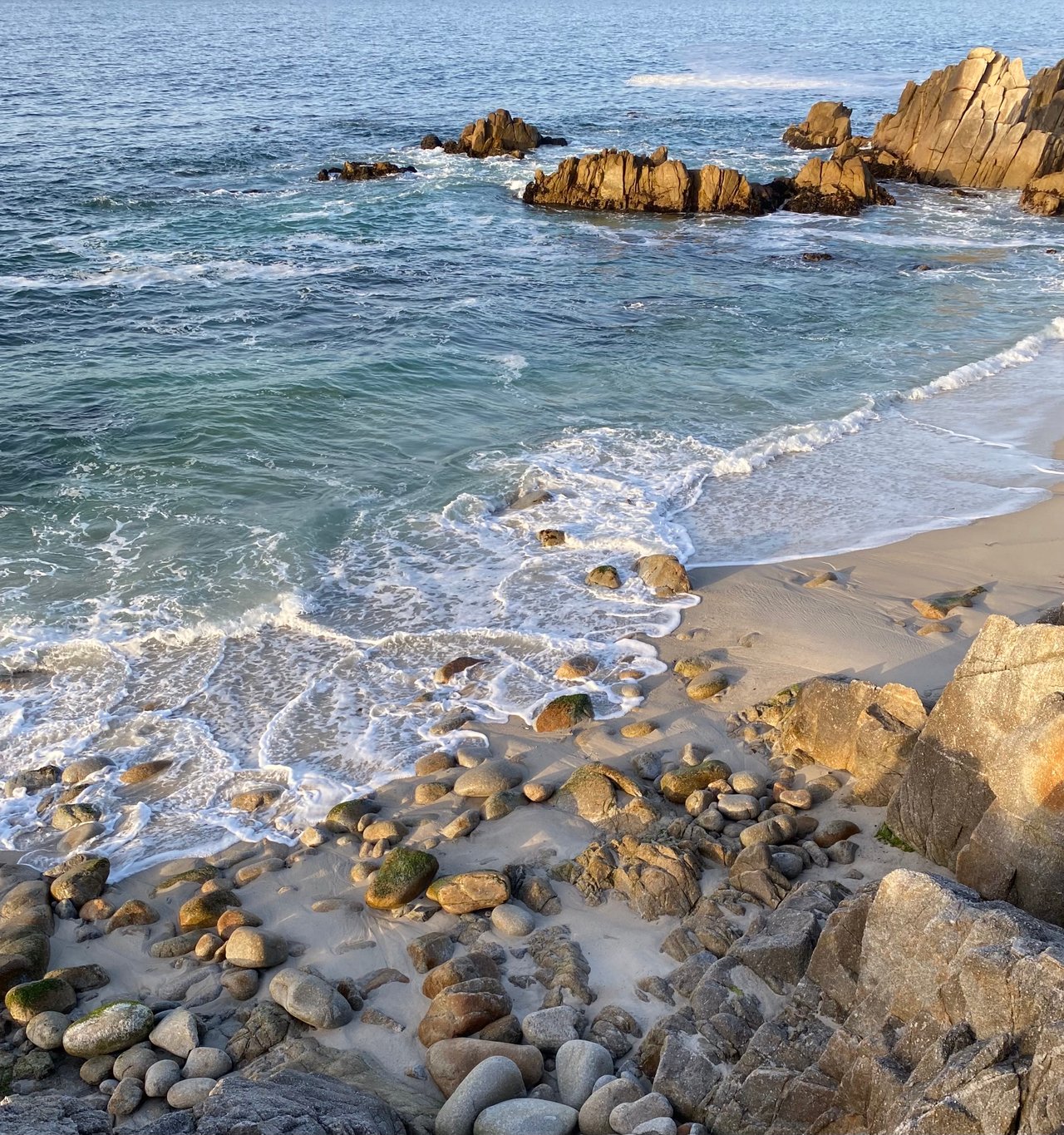
Pebble Beach follows a familiar coastal rule - homes closer to the coast generally command a premium, especially when they offer water views. But in Pebble Beach, that premium is amplified by local land-use rules that limit development along the shoreline and in visually sensitive open-space areas. That is why true oceanfront, bluff-front and shoreline parcels often trade in a category of their own. Buyers are not just paying for square footage. They are paying for rarity, exposure and a site that is rare and difficult to replicate.
Not every high-value Pebble Beach property needs a dramatic ocean view. Interior parcels often compete on privacy, mature tree canopy and a quiet retreat-like setting that feels removed from more traveled areas. The Del Monte Forest plan identifies open-space forest areas as habitat and visually sensitive land that is generally not appropriate for regular development. In practical terms, that framework helps preserve the secluded character that many buyers value. These homes often trade on privacy and setting, rather than direct coastal access.
Golf frontage can create a separate tier
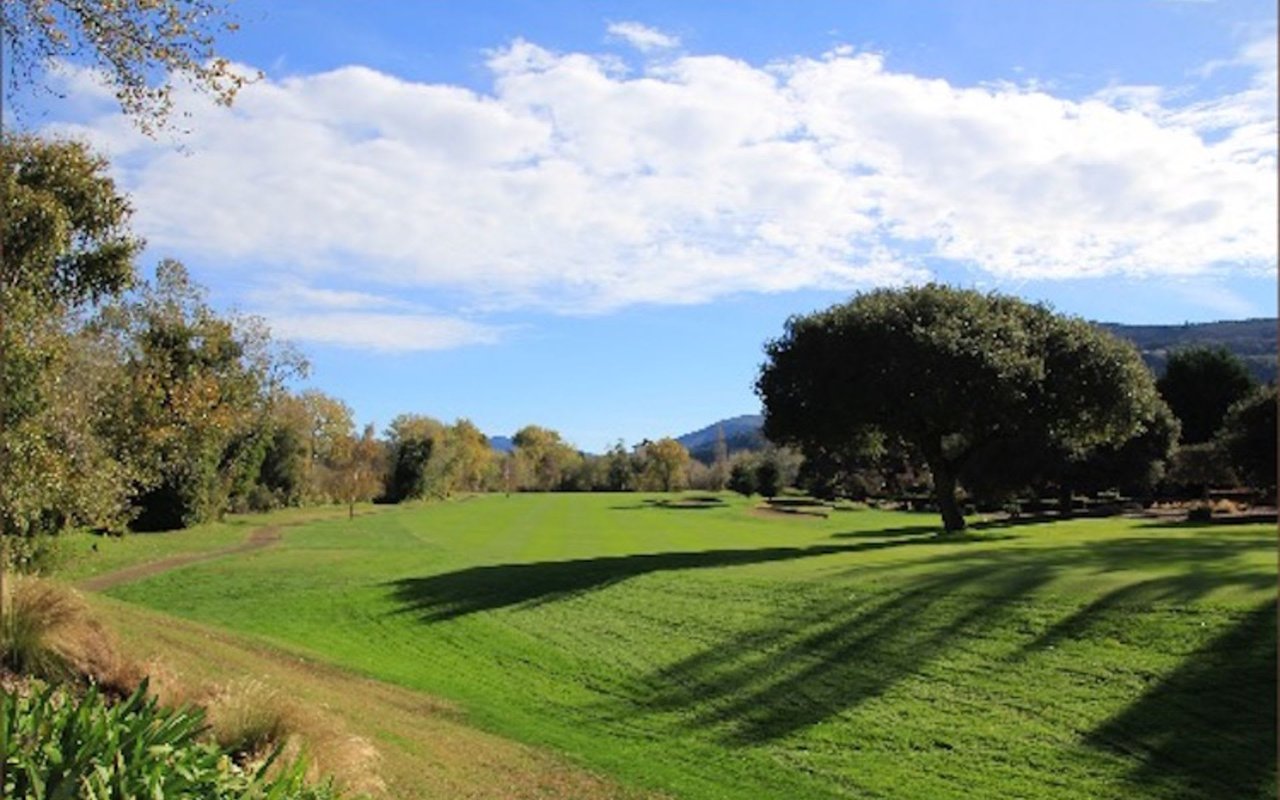
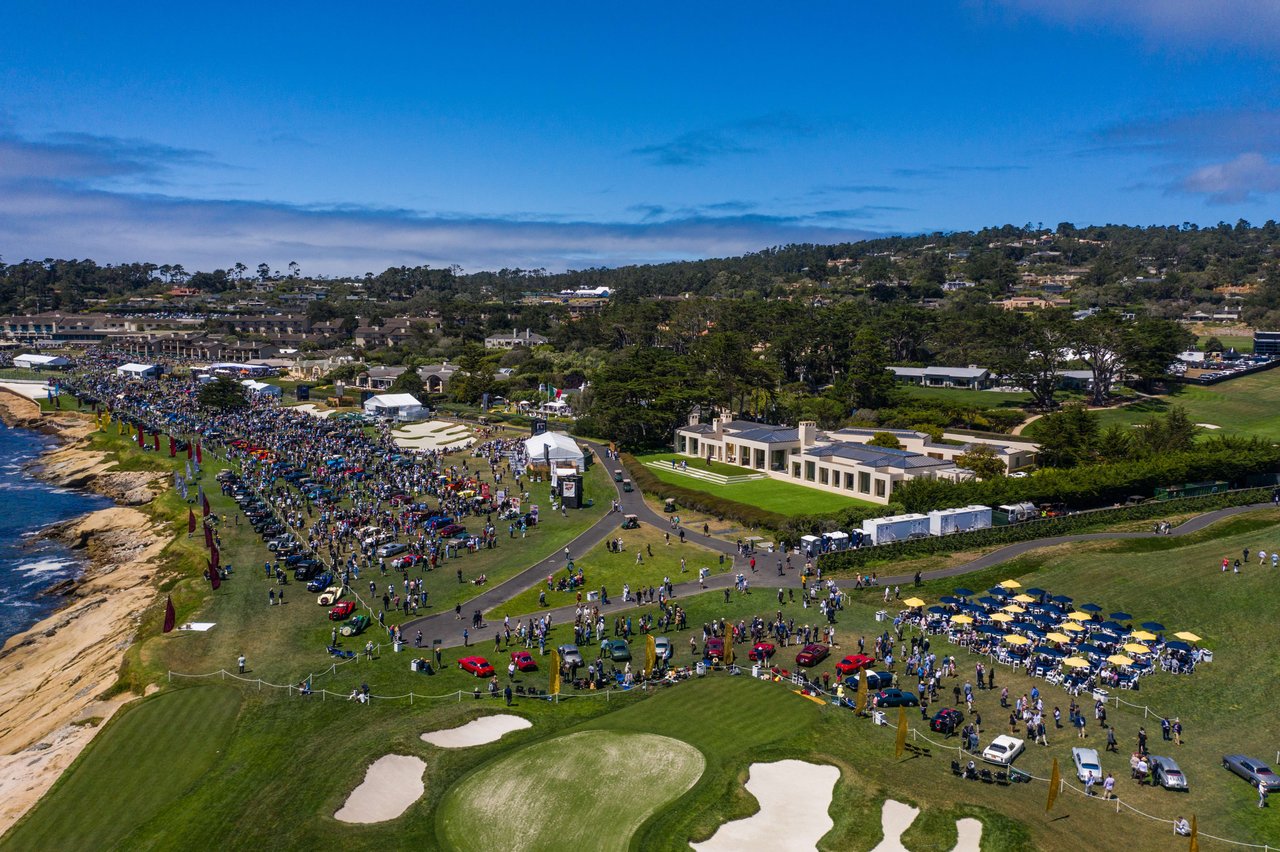
In Pebble Beach, golf frontage is not simply an amenity box to check. Pebble Beach Golf Links is part of the identity of the community, and the official map places marquee destinations like the first tee, the 18th fairway, The Lodge, the Beach & Tennis Club and visitor facilities within the same private internal road network. 17-Mile Drive exists as one of the world’s most famous scenic drives. For luxury buyers, that mix of exclusivity, recognition and resort proximity can create a meaningful premium for the right address.
Academic research on golf-course housing shows that golf premiums are not flat. Value depends on course quality, exclusivity and whether a property actually has frontage or a direct fairway view. That distinction matters. A home on or directly overlooking a marquee hole can be valued very differently from a home that is simply near the course. In other words, the market often treats top golf-front parcels as a distinct class of real estate.
A local example makes the point clearly. The $45 million sale of 1544 Cypress Drive on Pebble Beach Golf Links set a residential record in Monterey County, and listing materials described it as one of only five homes on the 18th hole. That sale reflects how several drivers can stack together. Direct 18th-hole frontage, ocean views and architectural pedigree can move a property into a true trophy tier that broad market averages do not capture.
View quality matters more than view labels
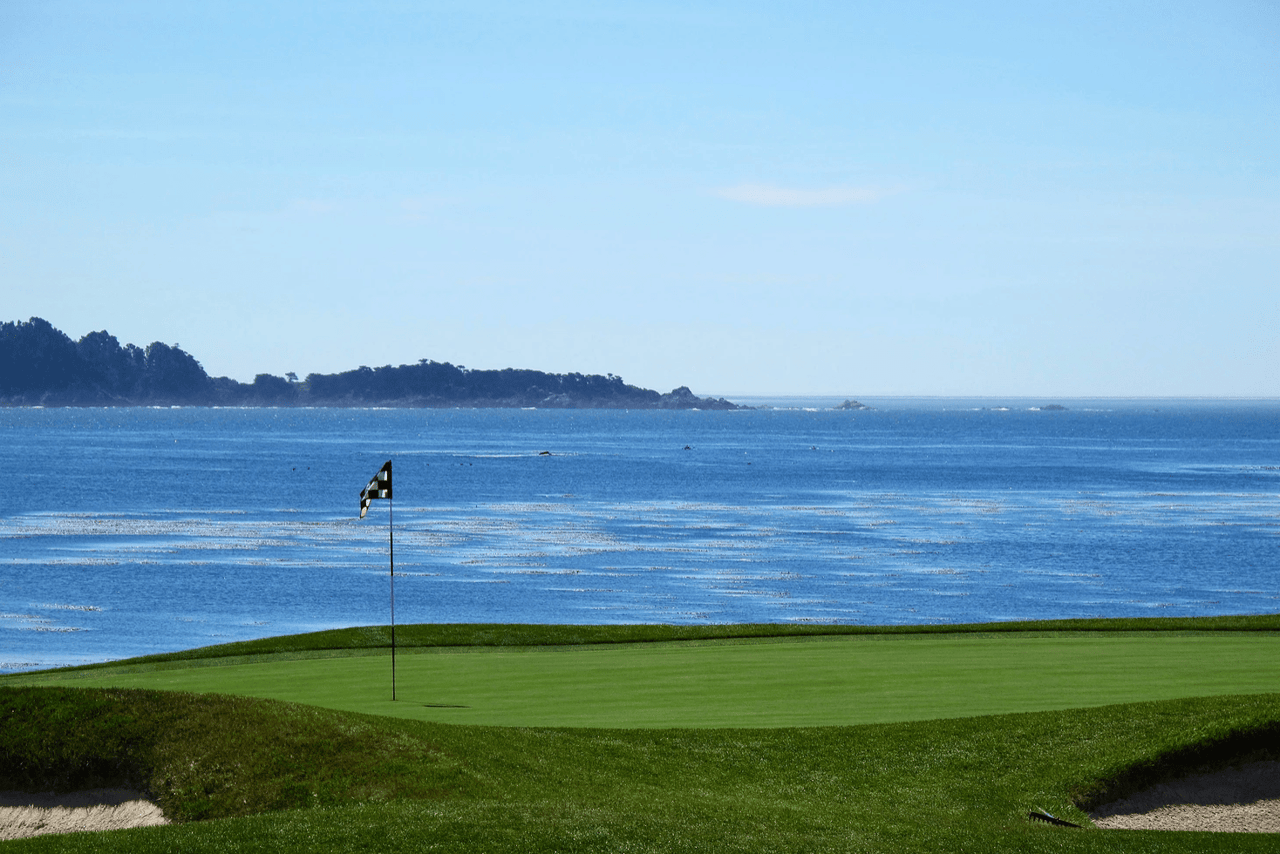
In luxury coastal markets, a view is not a simple yes-or-no feature. Buyers are willing to pay premiums for scenic views, and higher-quality views tend to command stronger premiums. In Pebble Beach, that usually means an unobstructed ocean view, a broad bay panorama, strong fairway view or a combination of those is worth far more than a filtered or partial outlook. The market tends to reward clarity, depth and how fully the view defines the living experience.
Pebble Beach’s landscape also helps explain why some view corridors carry exceptional weight. Because many shoreline and habitat areas are treated as visually sensitive, buyers are often paying not only for the current outlook but also for confidence that the view will remain legible over time. That sense of permanence can be a major part of the premium.
Architecture can separate good from great
In Pebble Beach, architecture often carries significant economic weight beyond aesthetics. It can signal provenance, design quality and a story that adds meaning to the property itself. A 1924 Pebble Beach estate originally designed by Clarence Tantau was brought to market at $22.75 million after a careful renovation. Its appeal was tied not just to the home, but also to its history and relationship to nearby landmark amenities. For certain buyers, that type of authorship and preserved character can be a real value driver.
Architectural value is not limited to historic homes. The record-setting 18th-hole estate sale shows that a modern or later-era home with a named architect can also command a major premium when the site is exceptional. The pattern is clear - top tier buyers are often paying for the combination of design pedigree, execution quality and site specificity. Architecture matters most when it feels inseparable from the land.
Lot size matters when it adds utility
Pebble Beach is known for large-lot residential character, but acreage alone does not guarantee the highest price. A bigger parcel creates value when it improves privacy, buildability, flexibility, or the overall experience of the site. The contrast in local examples is useful. One historic estate near The Lodge sat on nearly 6.5 acres, yet the 1.76-acre 18th-hole estate sold for far more because its adjacency, views and siting were unusually strong. In Pebble Beach, land tends to be most valuable when it amplifies the best qualities of the property rather than simply increasing lot size count.
What buyers should ask
For buyers, one of the most important questions is not, “What is Pebble Beach worth?” A better question is, “What kind of Pebble Beach am I buying?” A forested retreat, a panoramic view home, a fairway-front estate and a shoreline property may all share the same community name, but they are not interchangeable assets. The market rewards siting and orientation, protected views, architectural distinction and irreplaceable amenity adjacency far more than prestige alone.
If you are interested in how a specific Pebble Beach property fits within this micro-market, obtaining a realistic valuation and gaining knowledge of the availability of both on and off-market properties, working with a trusted advisor who studies these distinctions closely can make a meaningful difference. For tailored guidance on buying or selling in Pebble Beach, connect with us. We know Pebble Beach.