Dreaming of a custom estate in Monterra often starts with the setting. You may be picturing privacy, dramatic land, and a home designed around the way you actually live. In this market, that vision is possible, but the path is more detailed than buying a finished property. This guide will help you understand what makes Monterra unique, what to verify before you buy, and how the local build process typically works. Let’s dive in.
Why Monterra Stands Out
Monterra is not a typical tract neighborhood. County project materials describe it as a 1,700-acre residential subdivision with 171 custom home sites and 42 inclusionary homes. On a simple acreage basis, that comes out to about 9.9 acres per custom home site before accounting for roads, open space, and parcel-specific constraints.
That scale shapes the experience of building here. In practical terms, you are often evaluating land, topography, infrastructure, and approvals as much as you are evaluating design ideas. The homesite is a major part of the investment.
Local LAFCO material also places Monterra among newer subdivisions east of the city sphere, with some vacant parcels still remaining but limited room for much new development. For buyers seeking a custom estate opportunity in a setting with a relatively finite supply of homesites, that matters.
Monterra Is a Parcel-First Market
If you are considering building a custom estate home in Monterra, it helps to think parcel first and house second. Monterey County notes that land use depends on zoning and the General Plan, but also on water availability, septic feasibility, slope, and impacts to environmentally sensitive habitat.
That means two parcels in the same subdivision can present very different opportunities and constraints. A site that looks ideal at first glance may require deeper review before you can confirm what can actually be built.
This is one reason Monterra is best understood as a due diligence market. Instead of treating the process like a standard finished-home purchase, you need to evaluate each homesite on its own facts.
Lifestyle Considerations Near Monterra
For many buyers, the appeal of Monterra goes beyond the lot itself. The broader setting is part of the draw, especially for those looking for privacy, open space, and a more estate-oriented lifestyle on the Monterey Peninsula.
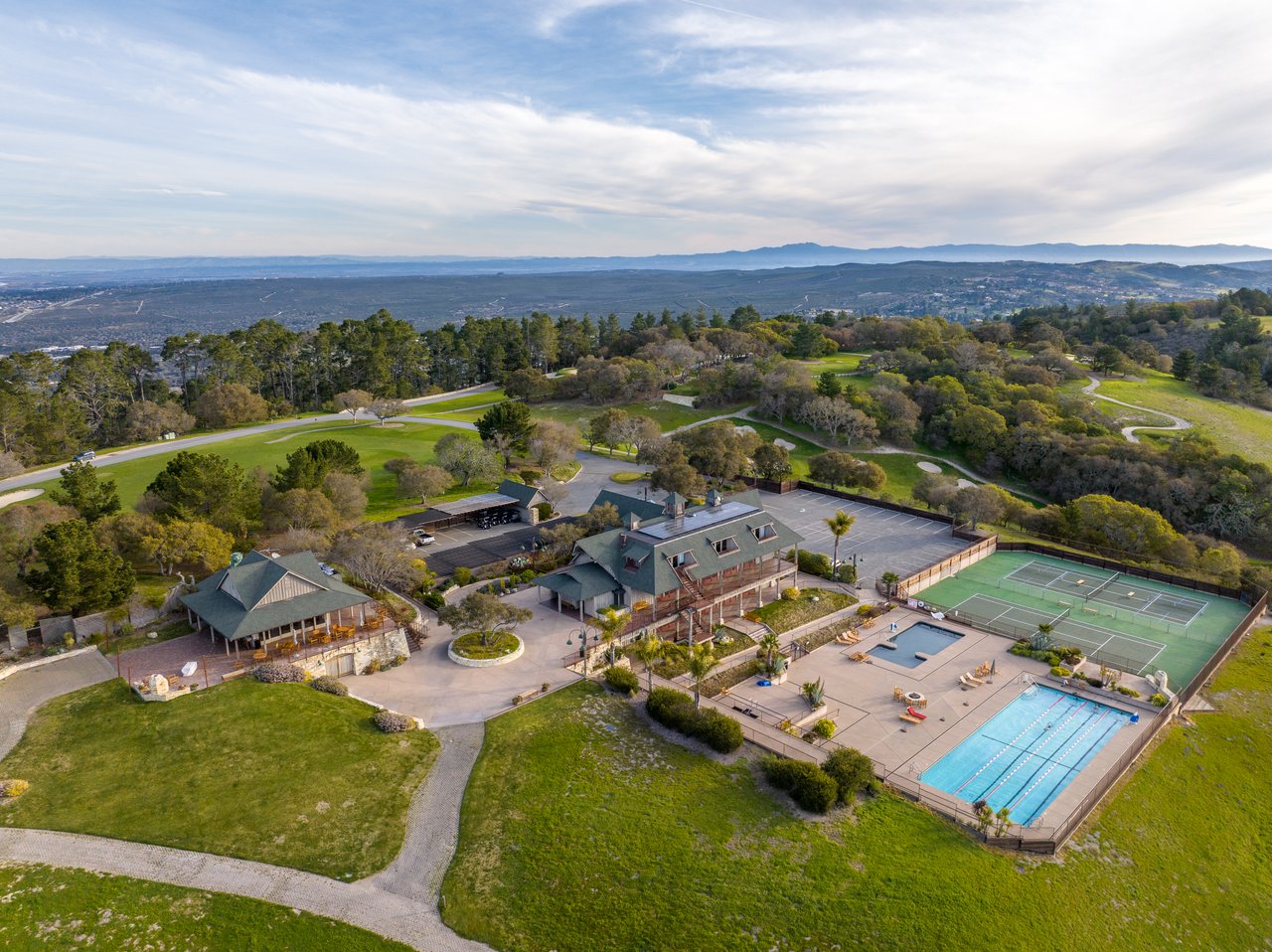
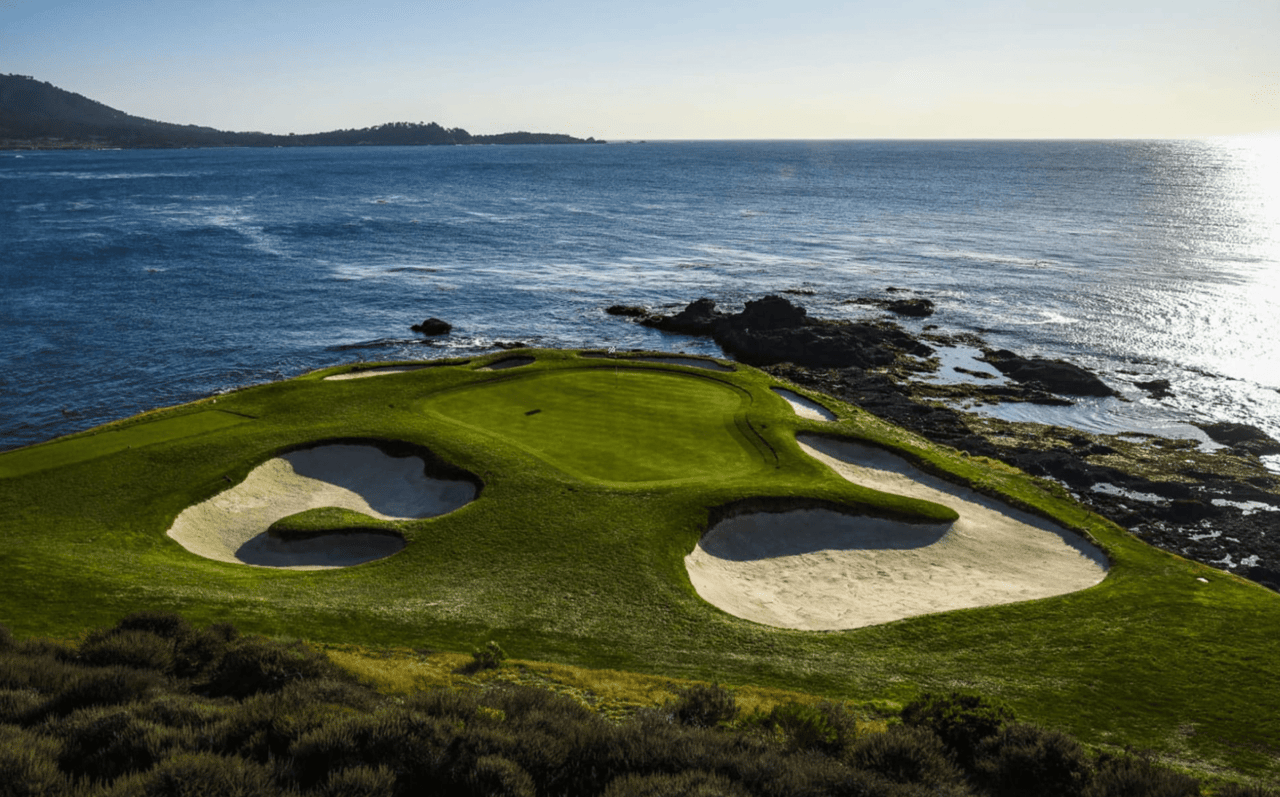
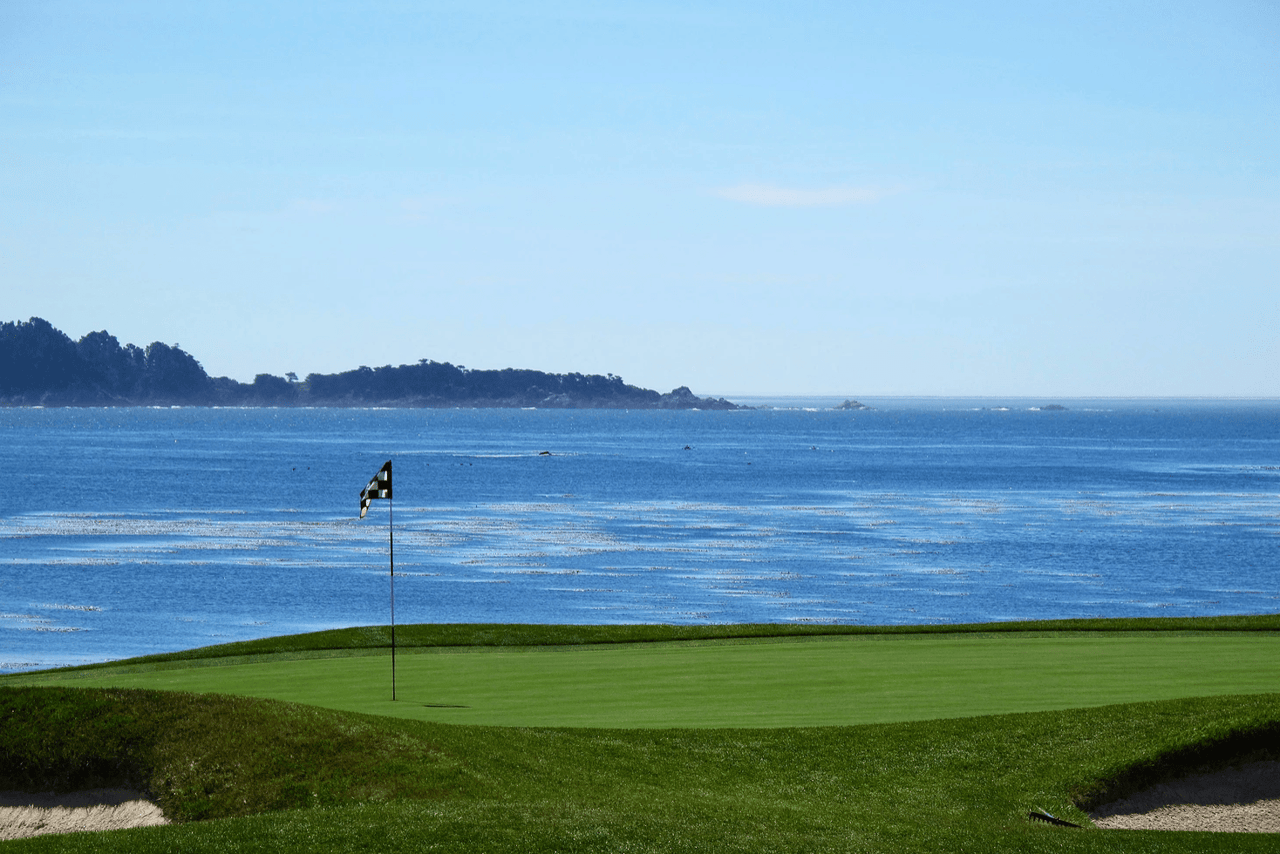
Tehama Golf Club often enters that conversation. The club describes itself as a private 18-hole club with two gated entries, clubhouse views over Carmel Valley and Monterey Bay, and membership by invitation only. If golf access is important to you, it is wise to verify membership availability or property-specific access separately rather than assume it comes with a purchase.
Water and Site Conditions Matter Early
Water oversight is an important part of the Monterra story. MPWMD states that it serves Monterra Ranch among portions of unincorporated Monterey County, and county environmental review indicates that many large properties, including the Tehama and Monterra subdivisions, are served by private wells regulated by MPWMD, the State Water Resources Control Board, and the Monterey County Health Department.
For a buyer, this reinforces the need to investigate site conditions early. Water, slope, and environmental factors are not side issues in this market. They can directly affect planning, timelines, reports, and the overall feasibility of your build.
What to Verify Before You Buy a Homesite
Before moving forward on a Monterra parcel, you should confirm a core set of facts. County guidance supports starting with the parcel itself and understanding the local planning framework before making assumptions.
Here are some of the most important items to check early:
- APN and jurisdiction
- Subdivision status
- Zoning and General Plan considerations
- Water availability
- Septic feasibility
- Slope conditions
- Potential environmental constraints
- HOA requirements and CC&Rs
- Whether Design Approval applies
Getting clarity on these items early can save time and help you make a more informed decision. It can also shape how you budget for consultants, design, and approvals.
Typical Custom Build Sequence in Monterra
While every property is different, Monterey County outlines a general process that gives buyers a useful roadmap. Understanding the sequence can help you set realistic expectations from the start.
1. Confirm Parcel Basics
The county recommends beginning with the APN and confirming jurisdiction, subdivision status, and basic site constraints with planning staff. County engineering also reviews surveys, parcel maps, final maps, and related subdivision work under the Subdivision Map Act and local ordinances.
This first step is foundational. It helps you understand what you are buying before you invest heavily in design work.
2. Check Design Approval Requirements
Monterey County states that Design Approval can apply to exterior appearance, location, size, materials, and colors in Design Control areas. Depending on zoning, even fences or exterior remodel elements can trigger review.
For a custom estate buyer, this means architecture is not only about personal taste. The exterior design may need to fit within an established review framework.
3. Prepare a Complete Permit Package
For a new single-family dwelling, the county asks for a complete site plan, complete construction drawings, structural calculations, Title 24 energy calculations, truss calculations, and geotechnical reports. County grading guidance also notes that geological reports, compaction reports, surveys, erosion-control plans, and BMPs may be required.
This is one of the clearest reasons to assemble the right team early. A complete submittal is important for keeping the process moving and reducing avoidable delays.
4. Plan for Review Time
The county’s application process allows 30 days for completeness review. Projects that need further environmental review may also require an EIR and a hearing.
That means your timeline should include room for review, follow-up, and possible revisions. In Monterra, patience and preparation often go hand in hand.
5. Build Through Inspections
Once construction begins, county inspectors conduct one or more inspections during the build. The permit is finalized only after Fire, Health, and Planning have all given final approval.
For you, this means the finish line is not just construction completion. Final approvals are a necessary part of closing out the process.
HOA and CC&R Review Is Essential
In Monterra, county materials indicate that parcels inside an HOA may require separate design review and may also be governed by area-specific CC&Rs. That adds another layer beyond county approvals.
You should review those documents as early as possible. HOA standards can influence architectural direction, site improvements, and design decisions that affect both timeline and cost.
How to Think About Timeline and Complexity
One of the biggest mistakes buyers can make is treating a custom homesite like a ready-to-build lot with a simple approval path. The research points to a more nuanced reality in Monterra.
Because water, slope, environmental conditions, design review, and HOA requirements can all come into play, the process is often more layered than expected. A well-chosen parcel can be a remarkable long-term asset, but the right fit depends on careful review.
Why Local Guidance Matters
In a market like Monterra, local knowledge is not just helpful. It is practical. You want to understand how a specific parcel fits into county processes, subdivision rules, and the broader context of the Monterey Peninsula luxury market.
That is especially true if you are buying from out of area, planning a second home, or looking for a legacy property where privacy and long-term value matter. The right guidance can help you focus on parcels that align with your goals and avoid spending time on sites that may not.
If you are considering a custom estate opportunity in Monterra and want thoughtful, discreet guidance on the local market, connect with Jessica Canning to start the conversation.
FAQs
What makes building a custom estate home in Monterra different from buying a completed luxury home?
- Building in Monterra is typically a parcel-by-parcel due diligence process. Monterey County notes that zoning, water availability, septic feasibility, slope, and environmental factors can all affect what can be built.
What should you verify before buying land in Monterra?
- You should confirm the APN, jurisdiction, subdivision status, zoning considerations, water availability, septic feasibility, slope, environmental constraints, HOA documents, and whether Design Approval applies.
Does Monterey County require Design Approval for a custom home in Monterra?
- It may. Monterey County says Design Approval applies in Design Control areas and can cover exterior appearance, location, size, materials, and colors, depending on zoning and project scope.
What documents are typically needed to apply for a new home permit in Monterey County?
- For a new single-family dwelling, the county asks for a complete site plan, construction drawings, structural calculations, Title 24 energy calculations, truss calculations, and geotechnical reports. Additional grading-related reports and plans may also be required.
How long does the county review process take for a custom home project in Monterra?
- Monterey County allows 30 days for completeness review of an application. If a project requires further environmental review, the timeline may extend and may include hearings.
Are HOA rules important when building a custom home in Monterra?
- Yes. County materials state that parcels within an HOA may have separate design review requirements and area-specific CC&Rs, so those documents should be reviewed early in the process.
Is water a key issue when evaluating a Monterra homesite?
- Yes. MPWMD states that it serves Monterra Ranch, and county environmental review indicates that many large properties in the area are served by private wells regulated by MPWMD, the State Water Resources Control Board, and the Monterey County Health Department.