
Massive Ocean Waves in Carmel: What's Behind the Powerful Surf and What to Expect This Week
If you've looked out toward the Pacific Ocean in Carmel recently, you've likely noticed just how powerful the waves have become. The Monterey Peninsula has experienced an impressive stretch of rough ocean conditions with massive swells, crashing surf and localized coastal impacts the likes of which have never been seen in recent history. And while the dramatic views are part of what makes this coastline so extraordinary, another round of king tides, unsettled weather and building ocean swells is keeping residents and visitors on alert.
Why Are the Waves So Big
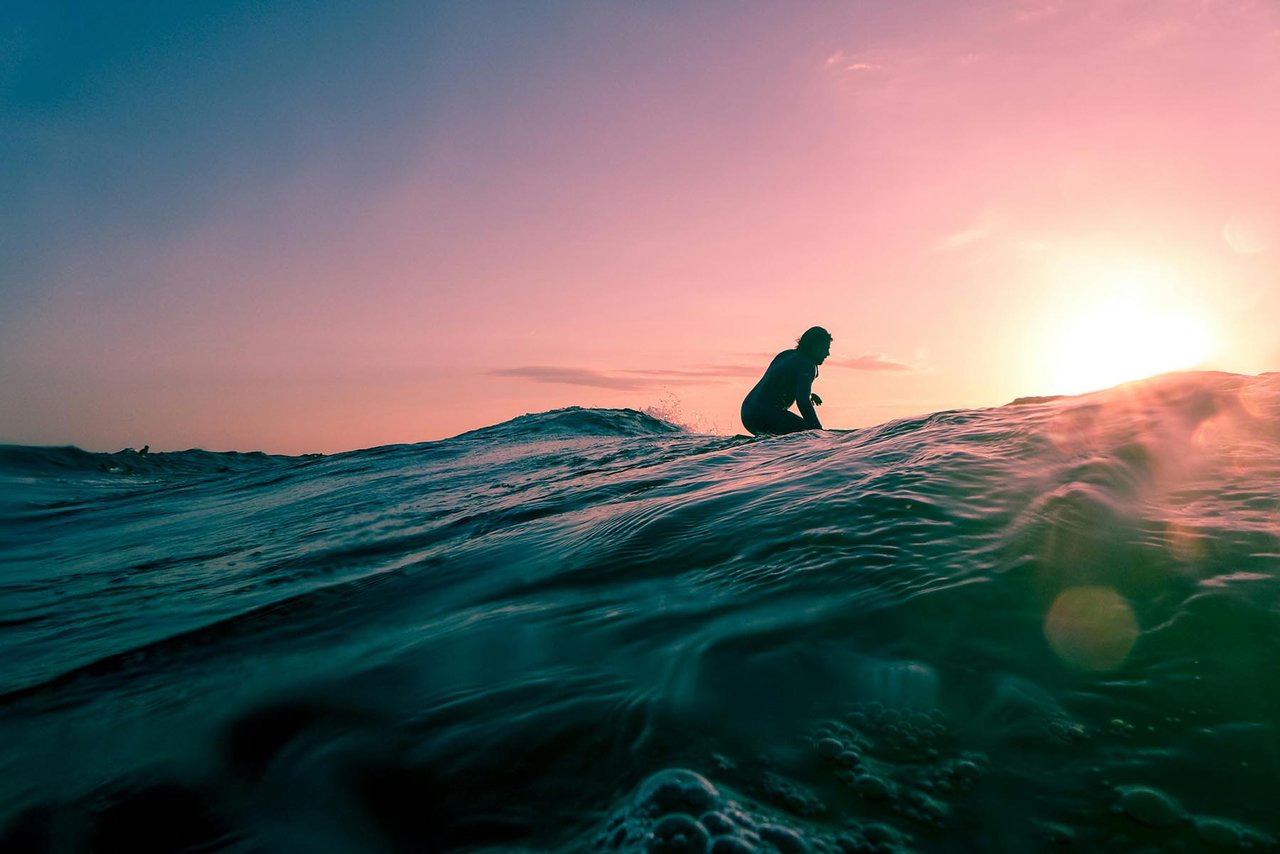
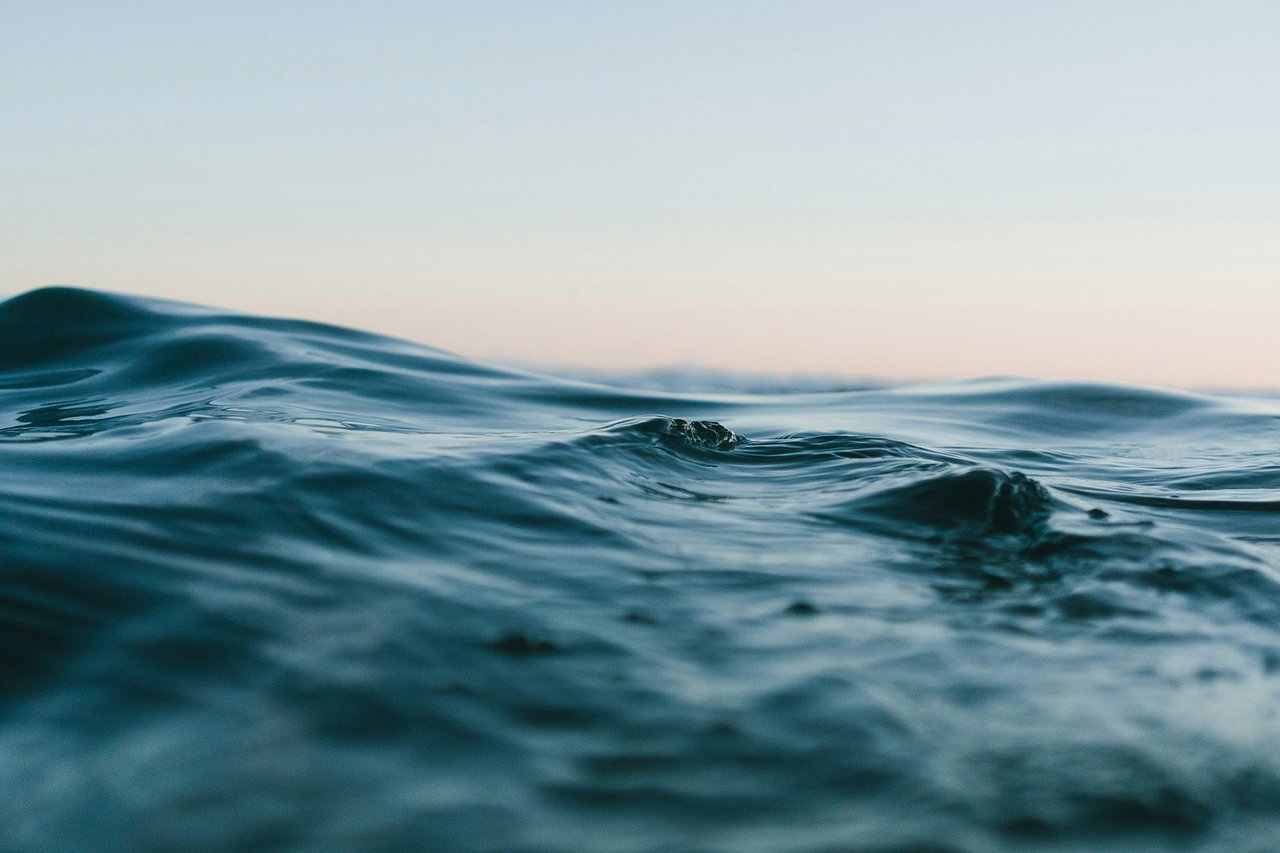
The powerful surf is being driven by a series of storm systems moving across the North Pacific. Strong winds generated by these storms transfer energy into the ocean, creating large super swells that travel hundreds or even thousands of miles before reaching California's coastline. As these swells approach Carmel and the surrounding Monterey Peninsula, underwater terrain and the shape of the coastline influence how that energy breaks along the shore. The result can be exceptionally powerful waves particularly at exposed beaches, rocky points and coastal areas facing directly into the incoming swell. Over the weekend, portions of California's coastline experienced breaking waves of 25 to 35 feet, with some localized waves exceeding 50 feet at particularly exposed locations. The powerful surf caused coastal flooding, beach closures and damage to waterfront infrastructure in several communities from Carmel to Santa Cruz and beyond.
Another Round of Rough Ocean Conditions is Expected
While the most extreme weekend surf has begun to ease, the Pacific isn't settling down just yet. According to the National Weather Service, another storm system is expected to move into the region this week bringing renewed rainfall, stronger winds and potentially thunderstorms. Marine forecasts indicate that ocean conditions will become hazardous again as larger swells build through midweek. For Carmel and the Monterey Peninsula, this means another stretch of dramatic ocean conditions with the potential for rough surf, strong currents and additional coastal impacts. Conditions will depend on the timing and strength of the incoming system so residents should continue checking updated forecasts and local advisories throughout the week. Rain and unsettled weather may continue into the weekend.
How to Prepare Your Coastal Home for Powerful Surf and Winter Storms
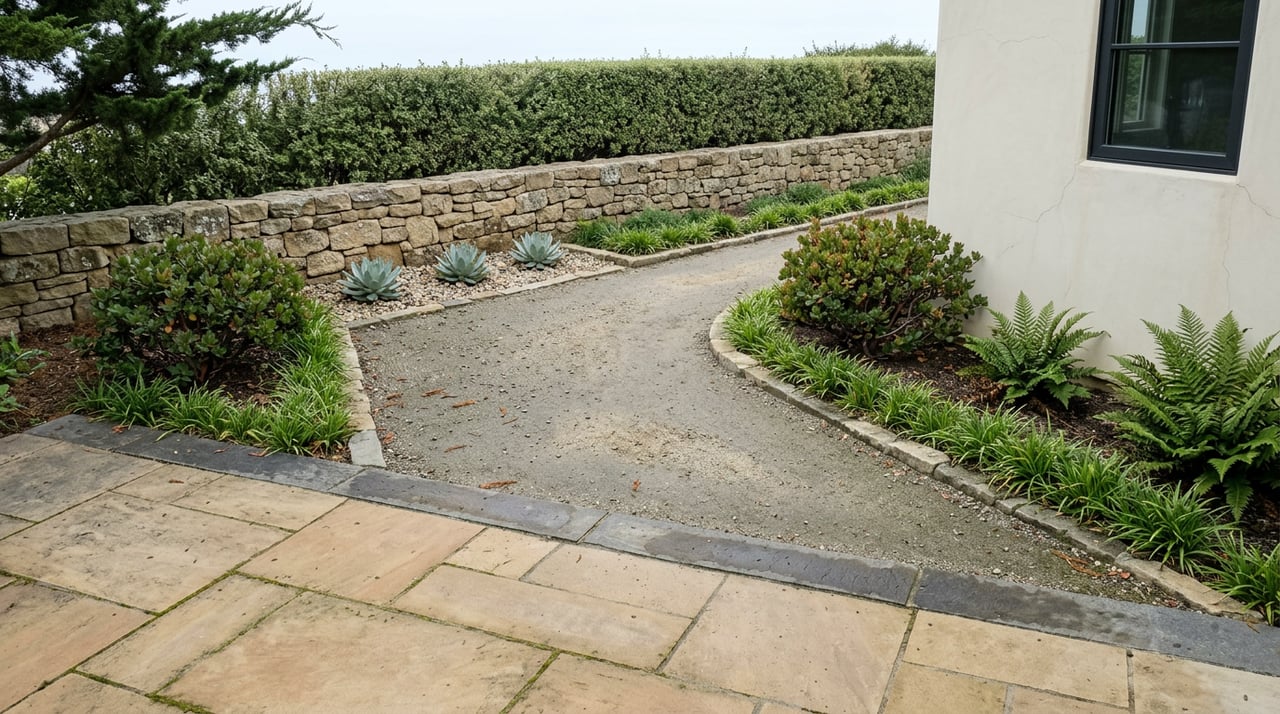
For homeowners living along the water, particularly in exposed areas such as Scenic Road and Carmel Point, periods of unusually high surf and heavy rainfall are a good reminder to prepare properties before the next storm arrives. Oceanfront homes offer some of the Monterey Peninsula's most beautiful views, but they can also face unique challenges when powerful waves, coastal flooding, erosion, and strong winds affect the shoreline. A few proactive steps can help reduce the risk of property damage for all property owners here as we prepare for the winter months ahead:
Inspect Windows, Doors, and Exterior Seals
Check windows, sliding glass doors, exterior doors and weather stripping for gaps or signs of deterioration. Make sure vulnerable entry points are properly sealed to help prevent wind-driven rain and moisture from entering the home.
Clear Gutters and Drainage Areas
Make sure gutters, downspouts and drainage channels are free of leaves and debris so rainwater can flow away from the property. Check that nearby storm drains are not obstructed. Proper drainage is especially important during periods of heavy rainfall.
Keep Sandbags and Flood Protection Materials Available
Homeowners with properties vulnerable to water intrusion should consider keeping sandbags, plastic sheeting and other appropriate temporary flood barriers readily available. These can help protect vulnerable entry points during certain flooding situations, although they are not a substitute for permanent flood protection or evacuation.
Secure Outdoor Furniture and Landscaping
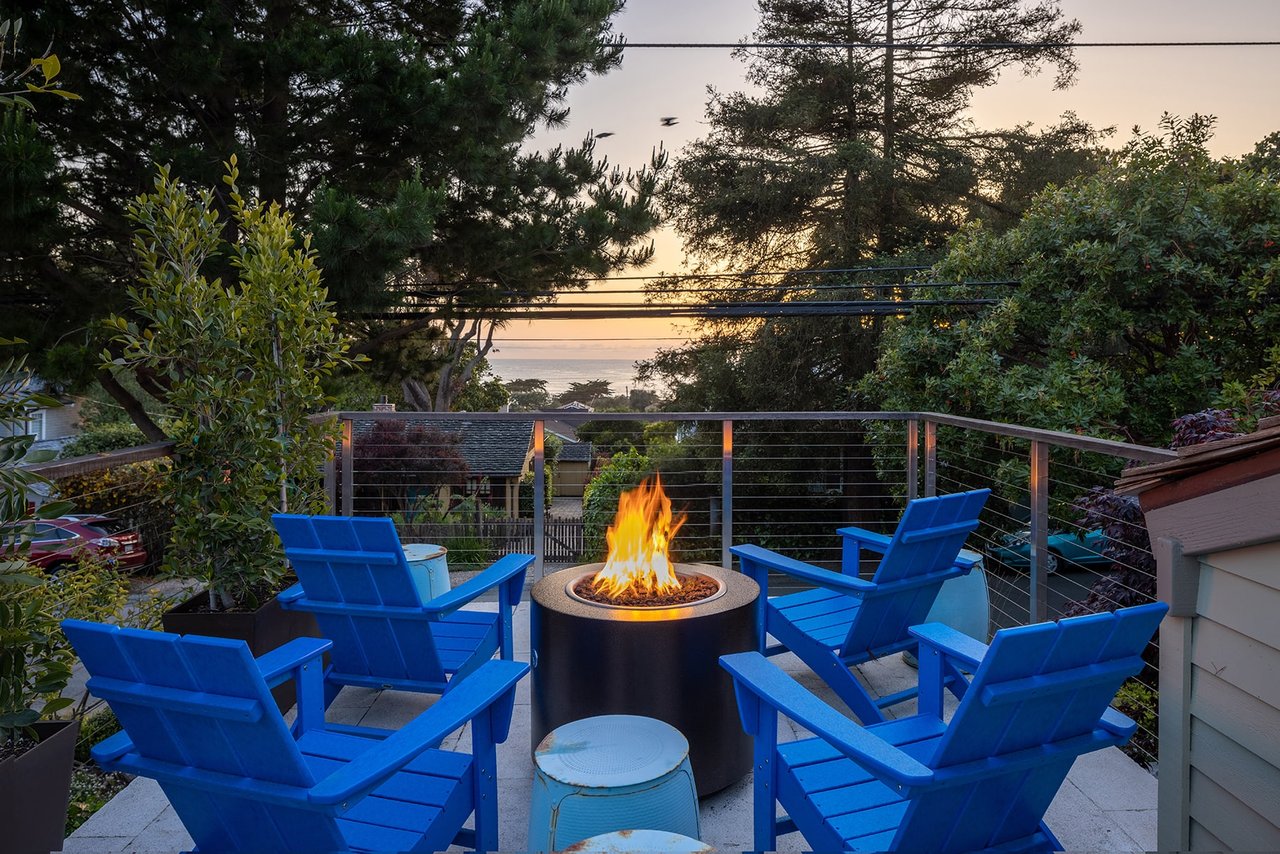
Strong coastal winds can turn patio furniture, umbrellas, planters and other outdoor objects into hazards. Secure or move loose items indoors, trim vulnerable branches and check outdoor structures and fencing for stability.
Protect Valuables and Important Documents
Move valuable belongings, electronics, artwork and important documents away from areas susceptible to water intrusion. Keep essential paperwork in waterproof containers and maintain digital copies of important records.
Check Your Insurance Coverage
Standard homeowner’s insurance generally does not cover flood damage. Oceanfront property owners should review their policies with their insurance providers and ask about flood coverage, coastal hazards and any applicable exclusions. It is important to understand coverage before a storm arrives as flood insurance policies typically have a waiting period before taking effect.
Know Your Property's Vulnerabilities and Have an Evacuation Plan
Properties along the coastline can face different risks depending on elevation, drainage, shoreline exposure and proximity to coastal bluffs. Homeowners should understand their property's flood and erosion risks, know how to safely shut off utilities and have an evacuation plan for their household and pets. If an evacuation is recommended or ordered, leave promptly rather than waiting for conditions to worsen.
Preparation is especially important for oceanfront properties, where conditions can change quickly and the effects of repeated powerful storms can accumulate over time. For homeowners considering longer-term improvements related to winter storm preparedness, a qualified coastal engineer or licensed contractor can help evaluate drainage, retaining walls, shoreline exposure and appropriate flood-mitigation measures. Any work involving coastal bluffs, seawalls or shoreline structures may also require local and Coastal Commission permits.