
Pacific Grove's Monarchs Are Few This Fall. Here's Where to Look in the Sanctuary
Every fall, one of the Monterey Peninsula’s most beloved seasonal visitors returns to Pacific Grove. The monarch butterflies arrive from their summer grounds, gathering in the trees at the Monarch Grove Sanctuary along Ridge Road in the Asilomar/Grove Acre area. In the past, thousands cover the branches in beautiful, fluttering clusters. This year however, the numbers are much smaller. On October 30, volunteers with the Xerces Society’s Western Monarch Count recorded just 14 monarchs at the Pacific Grove Monarch Butterfly Sanctuary. For comparison, 63 were counted at the same site in 2025. The local population remains especially low, with no large clusters yet forming.
That doesn't mean a visit isn't worthwhile. In fact, if you know when to go and where to look, you may still catch a glimpse of these remarkable travelers. And with the monarch season just getting underway, there's still time for more butterflies to arrive.
A Quiet Start to Monarch Season
Pacific Grove's small count is part of a larger story, although the statewide picture is a little more encouraging. In a recent update from Xerces Society, nearly 5,000 monarchs were counted at more than 190 overwintering sites during its early-season survey, which is preliminary data, but suggests a statewide season similar in size to last year, when 6,113 butterflies were recorded during the early-season count. Some California groves are already seeing considerably more activity than Pacific Grove. Here are a few of the early-season numbers:
Overwintering location | 2026 count | Survey date |
Natural Bridges State Beach, Santa Cruz | 1,426 | October 30 |
Lighthouse Field State Beach, Santa Cruz | 421 | October 30 |
Pismo State Beach Monarch Sanctuary | 365 | October 27 |
Monarch Bay Golf Course, Alameda County | 253 | October 20 |
Harbour Boulevard, Ventura County | 124 | October 29 |
Pacific Grove Monarch Sanctuary | 14 | October 30 |
Ellwood Mesa, Santa Barbara County | 8 | October 26 |
The local population is expected to remain low this season, and is anticipated to peak around the end of November. For visitors hoping to see larger clusters, you may want to consider Natural Bridges State Park or Lighthouse Field State Beach in Santa Cruz, or the Pismo Beach Butterfly Reserve.
Where to Look: Start Along the South Edge
If you're visiting the Pacific Grove sanctuary, don't expect to walk in and immediately see a tree covered in orange and black. With small numbers, monarchs can be surprisingly easy to miss. Last winter offers a useful clue about where to begin. According to a 2026 assessment, the monarchs that spent the 2025–26 season at the sanctuary favored the sunny south and southwest edges of the grove. They remained largely in eucalyptus trees throughout the season, with much smaller numbers observed on Monterey pines and cypress. In fact, approximately 94% of recorded observations were on eucalyptus, 5% on pine, and 2% on Monterey cypress. Those percentages are rounded. This doesn't guarantee the butterflies will choose the same trees this year. Monarchs move around in response to changing weather, wind, sunlight and shelter. But the south and southwest edges are a good place to begin your search.
One of the best tips is to look for what appear to be small pinecones or brown leaves hanging from the branches. Those may actually be monarchs resting with their wings folded. When they cluster together, their coloring can blend surprisingly well with the trees. And don't be shy about asking a docent for help. The Monarch Docents are generally at the sanctuary from 11 a.m. to 3 p.m., weather permitting. They can often point out butterflies that visitors might otherwise walk right past.
The Best Time of Day to Visit
Here's where timing matters. Monarchs are cold-blooded, which means their activity changes with the temperature and sunshine. Here is a simple guide:
Weather and time | What to expect | Where to look |
Before 11 a.m. | Monarchs are more likely to be resting in clusters | Up in the trees |
Overcast or below 55°F | Butterflies tend to remain clustered | Eucalyptus and other trees |
Sunny and above 55°F | Monarchs are more likely to fly and feed | Nectar beds near the lower, south end of the trail |
Midday and afternoon | Better opportunity to spot individual butterflies in motion | Sunny areas around the nectar beds |
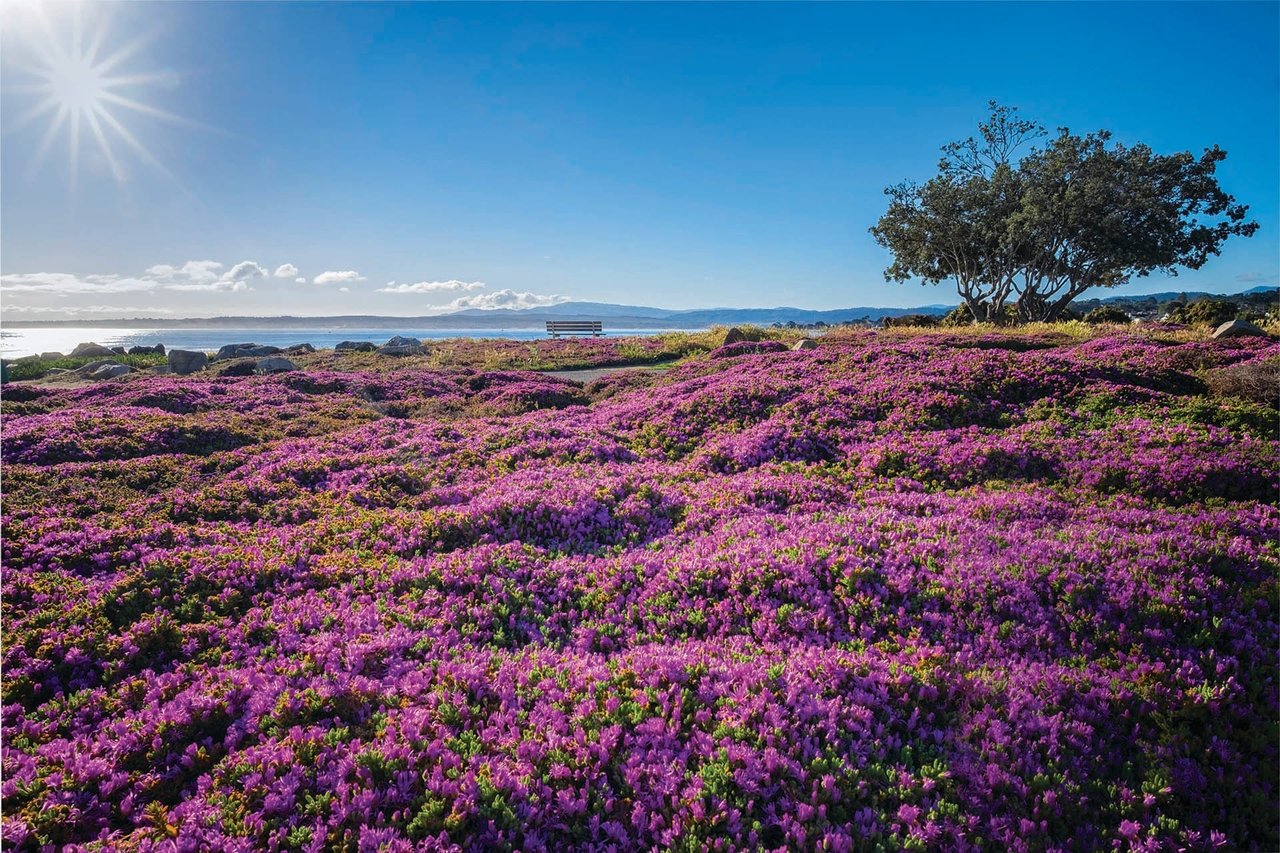
In a year with very few butterflies, an afternoon visit may be your best bet, and try looking around the nectar beds in the lower portion of the sanctuary, where monarchs have been fluttering and feeding even without large clusters overhead. Another spot to check out is the sunniest portion of the nectar beds is at the north end of the Sanctuary, near the bench. On a clear day, that is a good place to pause and watch.
Why the Next Few Weeks Matter
The monarch season is far from over as it typically runs from mid-November to the first week of December, a period that typically captures the seasonal peak as cooler temperatures and rainfall encourage butterflies to gather in clusters and additional migrants reach the coast. Last winter, Pacific Grove's monarch population reached 188 on November 21 before climbing to 226 on December 12. That was the season's high point.
The butterflies also demonstrated just how much weather can affect what visitors see. After the storms and strong winds on December 24 and 25 last year, the observed population dropped sharply. It later recovered as the butterflies regrouped. Wind is particularly important at an overwintering site. Monarchs seek trees that offer a combination of sunlight and protection from the elements. Strong storms can break up clusters, knock butterflies to the ground and leave them with less energy.
The Xerces Society has expressed concern about the potential effects of this winter's projected weather patterns, particularly high winds and heavy rain. While the season's conditions remain uncertain, protecting the sanctuary and its surrounding habitat is especially important.
A Little Monarch Magic on November 28
Want to learn more about these fascinating butterflies? The Pacific Grove Museum of Natural History is hosting a free family-friendly event later this month. Monarch Magic! takes place on Saturday, November 28, from 10 a.m. to 3 p.m. The event will explore monarch migration, pollinators, habitat conservation, and the important role butterflies play in the natural world.
Planned activities include hands-on learning, a special book reading, a mural unveiling, and live music from the 5 M's. It's a fun opportunity for families to introduce younger visitors to the monarchs and learn how everyone can help protect them. The Museum is located at 165 Forest Avenue in Pacific Grove. Admission to the event and Museum is free.
Before You Visit the Monarch Grove Sanctuary
The Pacific Grove Monarch Grove Sanctuary is located at 250 Ridge Road and is open daily from sunrise to sunset, including weekends and holidays. A few things to know before you go:
- Admission: Free. No reservations required.
- Parking: Free street parking is available nearby, including along Lighthouse Avenue, but spaces are limited.
- Accessibility: The sanctuary has a packed-gravel trail and is ADA accessible, with a slight downhill incline.
- Docents: Generally available from 11 a.m. to 3 p.m., October through February, weather permitting.
- Pets: Dogs and other pets are not permitted inside the sanctuary.
- Closures: The sanctuary closes only during extreme weather when high winds make visiting unsafe.
Visitors are asked to stay on designated paths, keep voices low and never touch, pick up, or chase the butterflies. Food and smoking are also prohibited. These guidelines help protect the monarchs and their fragile overwintering habitat.
A Seasonal Reminder of What Makes the Peninsula Special
The monarchs may be arriving in smaller numbers this fall, but their return is still a special part of life on the Monterey Peninsula. From the quiet trails of Pacific Grove to the coastline, beaches and scenic neighborhoods nearby, this time of year offers plenty of reasons to get outside and enjoy the natural beauty of our community. At Canning Properties Group, we love sharing the local experiences and seasonal traditions that make the Monterey Peninsula such a wonderful place to call home. Whether you're considering a move to Pacific Grove, exploring the surrounding communities, or thinking about selling your property, we'd love to connect. Visit Canning Properties Group to learn more about the communities we serve and discover what makes life on the Monterey Peninsula so special.